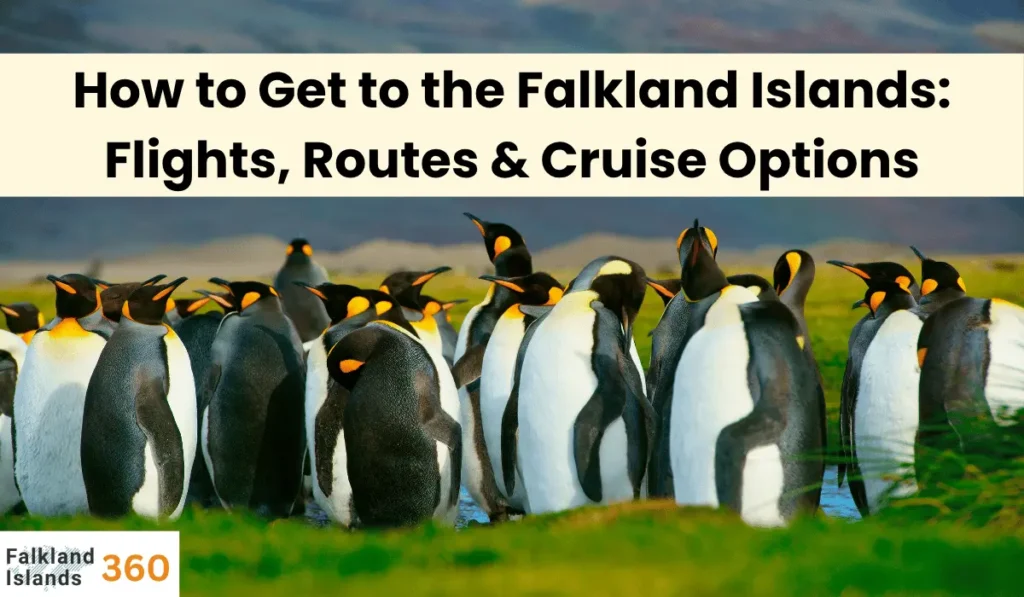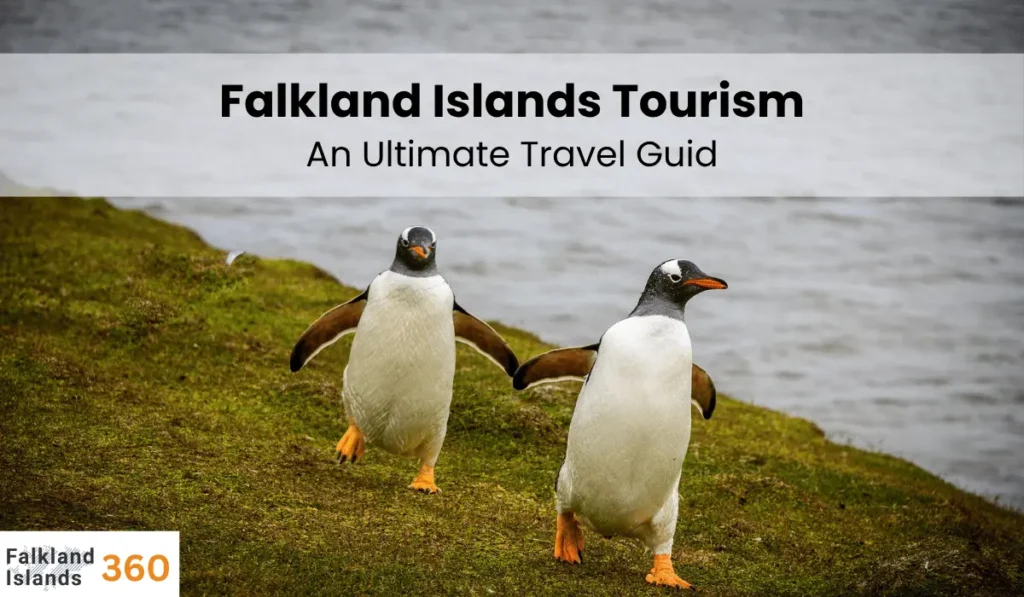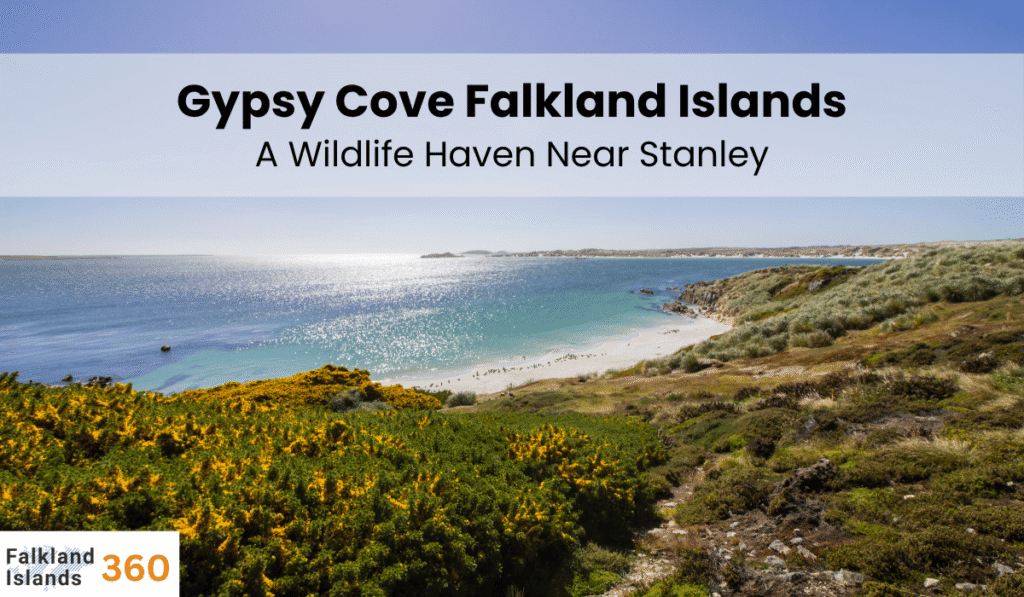

For wildlife photographers, the strongest Falklands shore excursion depends on the subject: Volunteer Point for king-penguin scale, Bluff Cove for an organized gentoo-focused visit, Gypsy Cove for a short Magellanic-penguin session, and Bertha’s Beach for gentoos in a broad coastal landscape. Light, weather and animal behavior matter as much as the site name.
Choose by subject, not checklist
A long excursion with three penguin species is not automatically better than a shorter site where you can work patiently with one species. Consider backgrounds, walking distance, group size and how much time is actually spent near wildlife.
Bring reach, not proximity
Keep at least the recommended 6 m from wildlife and never block a route to the sea. A telephoto zoom gives framing flexibility without pressuring animals. Weather protection is important in blowing rain and sea spray.
Port-day risk
The more distant the site, the more of your call is committed to transport. Photographers should resist adding extra stops that reduce the return buffer. See our wildlife photography guide for gear and fieldcraft.
Photography changes the excursion calculation
Photographers benefit from time, changing behavior and freedom to reposition responsibly. A smaller-group trip can therefore be more useful than a rushed itinerary with more stops. Ask how long is actually spent with wildlife, whether bags can be protected in the vehicle, and how much walking is involved. Bring rain protection and a manageable telephoto rather than assuming a huge lens is always advantageous in Falklands wind.