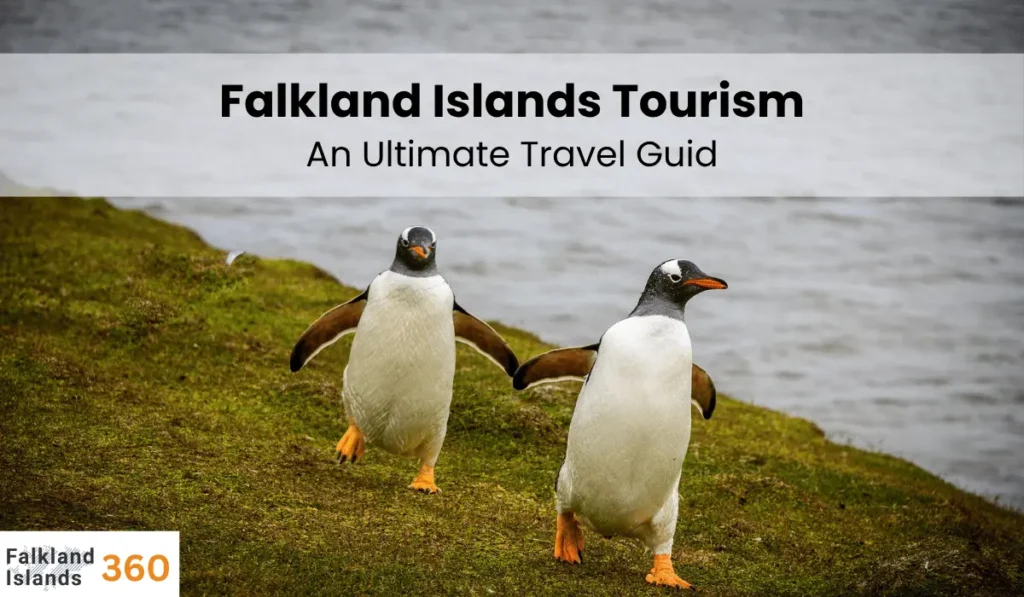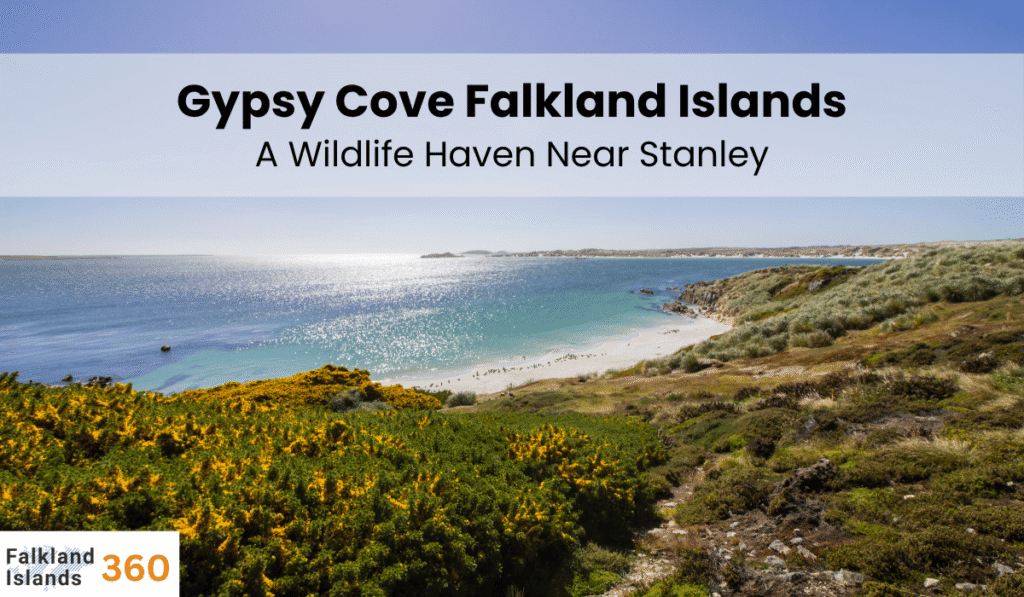

An 18–23 day Falklands–South Georgia–Antarctica expedition uses its extra time to connect three very different wildlife and landscape regions. The exact order and number of landings vary by operator, ship, weather and ice, but travelers should expect multiple substantial sea crossings rather than continuous shore days.
Typical structure
- Embarkation and initial South Atlantic sailing
- One or more Falklands landings or Stanley
- Multi-day crossing toward South Georgia
- Several potential South Georgia landing days
- Further sea passage toward Antarctica
- Antarctic Peninsula/South Shetland landings
- Return crossing to the voyage endpoint
Why the itinerary needs flexibility
Weather, swell, ice, wildlife protection and port operations determine what can safely happen. Expedition itineraries are plans rather than promises; a captain and expedition team may substitute sites or change the sequence.
What the extra days buy you
The longer duration adds ecological range: Falklands penguins and albatross, South Georgia’s huge wildlife concentrations and Antarctic ice landscapes. It also adds sea time and cost. Our longer-route decision guide helps determine whether that trade-off fits you.
Why 18–23 days is common
A Falklands–South Georgia–Antarctica route covers enormous distances and several exposed sea crossings. The extra days are not filler: they allow navigation between regions plus multiple landing opportunities. Compare itineraries by planned time in each region, not only total trip length. Weather, ice and wildlife conditions mean expedition teams may change individual landing sites while preserving the broader voyage plan.