Saunders Island is a standout choice for serious wildlife travelers because it combines all five penguin species that breed in the Falklands with black-browed albatross colonies, dramatic coastal scenery and accommodation close to major wildlife sites. The Neck is the iconic landscape, but Saunders deserves more than a single-photo stop.
Why Saunders Island is special
- Five breeding penguin species
- Black-browed albatross colonies
- The Neck’s white-sand beach and wildlife
- The Rookery
- Elephant Point and marine mammals
- Port Egmont historic site
- Long walks and hill views
Penguins and albatross
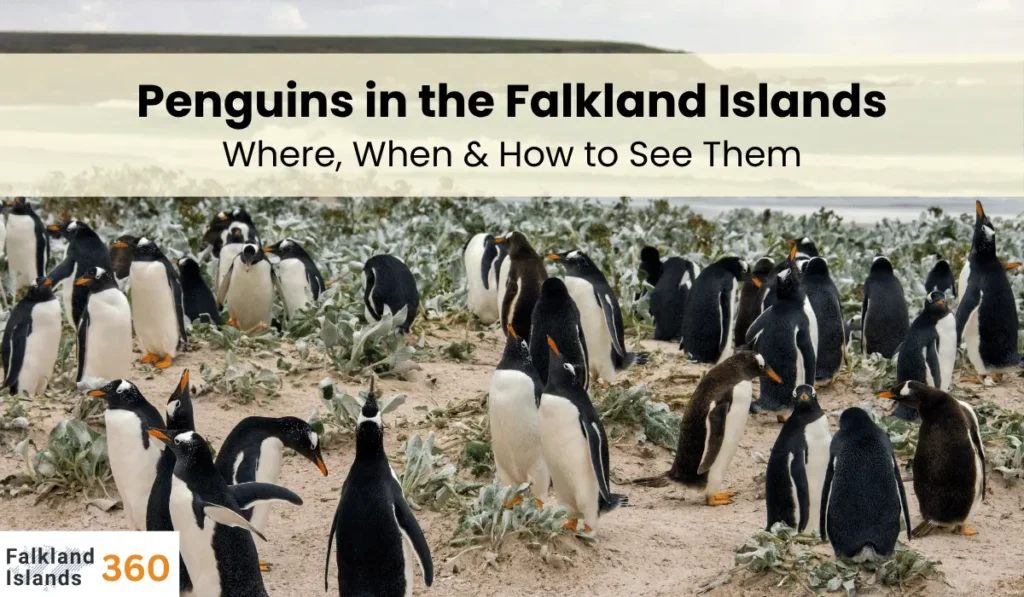
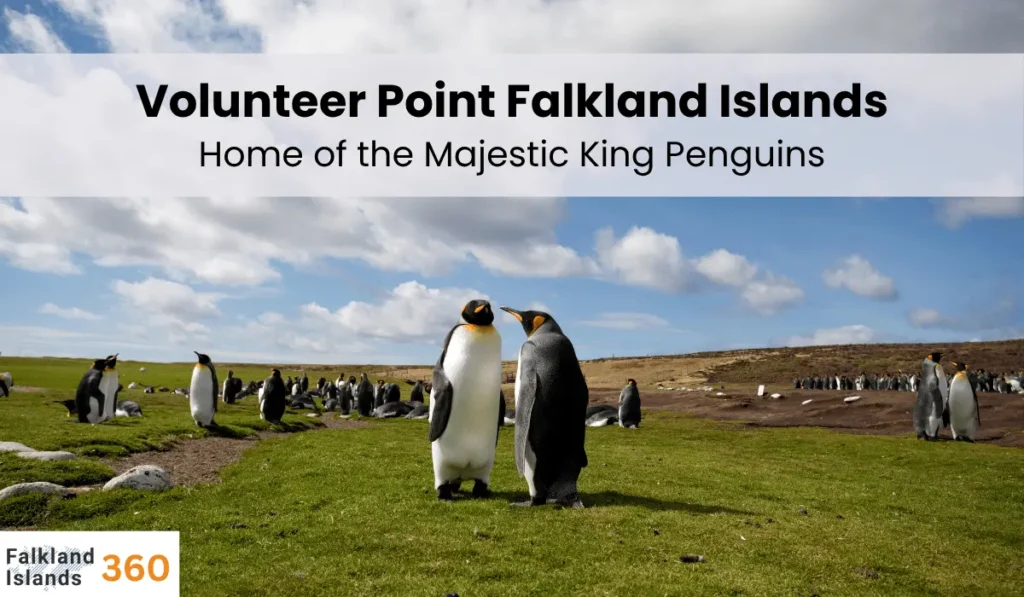
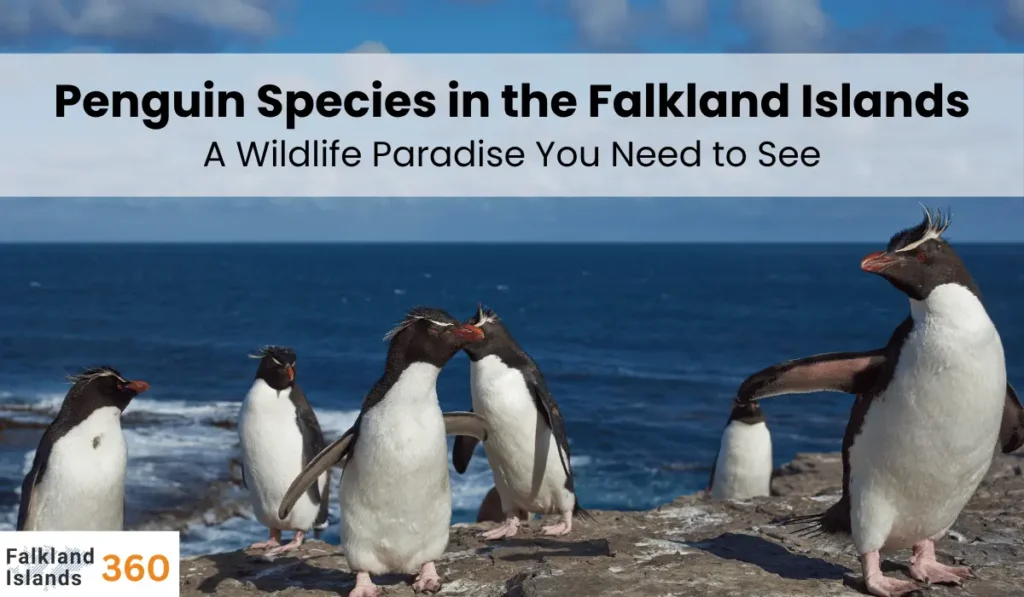
Official tourism information identifies Saunders as one of the places where all five Falklands breeding penguins can be seen: king, gentoo, Magellanic, rockhopper and macaroni. Black-browed albatross add another major draw. The mix makes Saunders especially useful for travelers who want species diversity without moving between many islands.
Use our penguin identification guide before visiting and the wildlife calendar to understand seasonal timing.
The Neck
The Neck is Saunders’ signature wildlife landscape, with a narrow sweep of land, pale beach and colonies nearby. A self-catering cottage sleeps up to eight according to the current official listing, and camping is also mentioned. Internet and power are available, but visitors should confirm current facilities directly when booking.
The Rookery
The Rookery places visitors close to penguin, albatross and cormorant colonies. The current self-catering property sleeps four in two twin rooms. Staying near a wildlife site can be valuable for photographers because it reduces long transfers and gives more flexibility around light and weather.
Port Egmont and history
Saunders is not only a wildlife destination. Port Egmont was established by Britain in 1765, and remnants of the early settlement remain. The site adds historical context to an island otherwise dominated by wildlife and landscapes.
Walking
The terrain ranges from beaches and wetlands to hills and cliffs. Mount Richards is the highest point at 457 m according to the official island guide. Distances between accommodation and wildlife sites can be significant, so clarify transfers and walking expectations before arrival rather than assuming everything is adjacent.
Getting to Saunders Island
Most land-based visitors arrive by FIGAS. As with other outer islands, coordinate flights with accommodation and allow flexibility for weather. The FIGAS guide explains why the daily schedule is confirmed only shortly before travel.
How many nights?
Three nights is a strong starting point if wildlife is the priority; photographers and walkers can justify longer. One night leaves little margin for weather or for reaching more than one wildlife area.
Check the official Saunders Island page for current accommodation and visitor information.