
A Falkland Islands–South Georgia–Antarctica expedition is one of the broadest wildlife-focused cruise routes in the South Atlantic. Instead of treating the Falklands as a single port call, these itineraries combine distinct ecosystems: penguin and albatross sites in the Falklands, immense seabird and marine-mammal concentrations in South Georgia, and the ice-dominated landscapes of the Antarctic Peninsula. The trade-off is time: this is a longer expedition with substantial open-ocean sailing.
What the route usually includes
- Embarkation in a South American gateway, commonly Ushuaia
- Falkland Islands landings or visits
- Open-ocean passage to South Georgia
- Several South Georgia landing opportunities, subject to conditions and permits
- Further sea passage toward the Antarctic Peninsula
- Antarctic Peninsula and/or South Shetland Islands activities
- Drake Passage crossing on the return toward South America
Exact order, sites and landings vary by ship, weather, sea ice, wildlife conditions and regulatory permissions. Expedition itineraries should be read as plans rather than guarantees.
Why add the Falkland Islands?
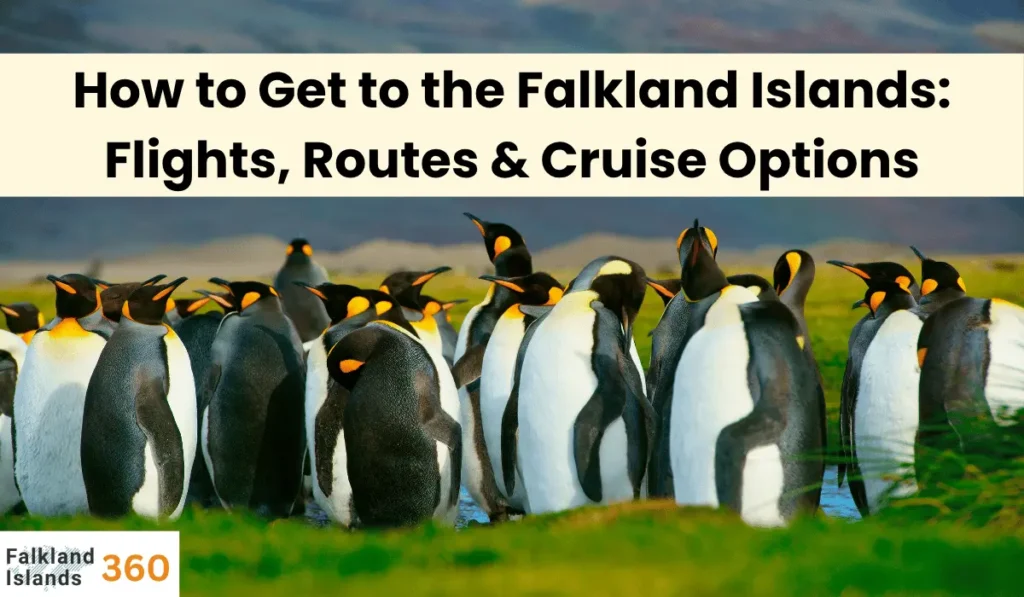
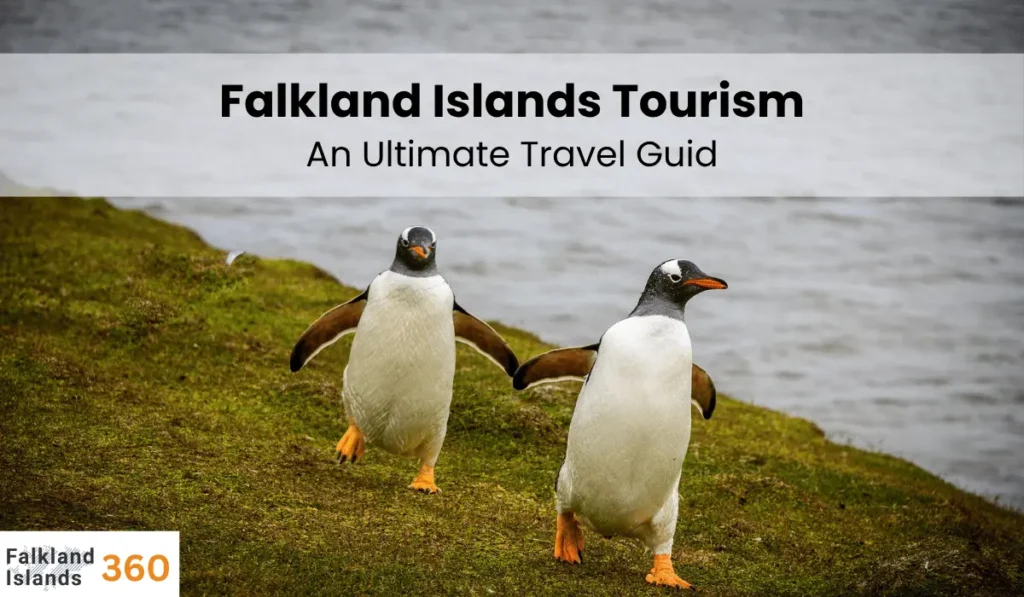
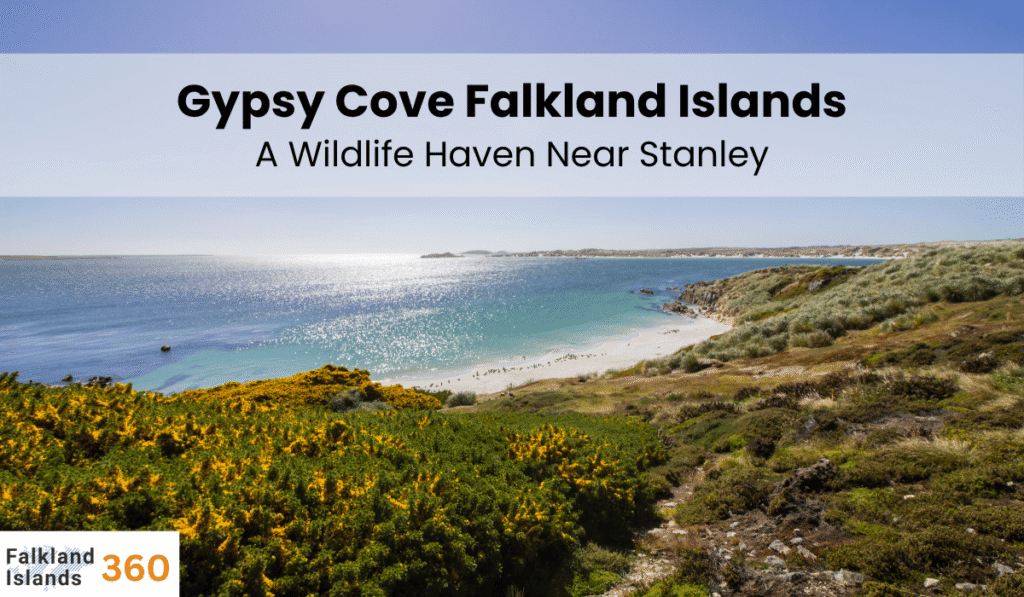
The Falklands bring a different landscape and wildlife experience to the route: open grassland, white beaches, settlements, black-browed albatross and multiple penguin species. Some itineraries call at Stanley; expedition vessels may also visit more remote islands where conditions permit.
Our Falklands penguin guide and wildlife calendar explain what this part of the voyage adds beyond Antarctica itself.
Why South Georgia changes the expedition
South Georgia is accessible only by sea and has no visitor accommodation ashore. Visitors remain supported by their vessel. The Government of South Georgia & the South Sandwich Islands requires visitors to follow entry controls, wildlife rules and strict biosecurity procedures. The remoteness is significant: government guidance states there are no medical facilities for visitors and no search-and-rescue or other emergency service on the island, so visiting vessels must be self-sufficient.
Biosecurity is part of the trip, not an optional extra
South Georgia’s current guidance emphasizes cleaning footwear, clothing, bags and outdoor equipment to prevent seeds, soil, invertebrates and pathogens moving between sites. Expedition staff will brief passengers and manage procedures, but travelers can make the process easier by arriving with clean gear and avoiding equipment that traps organic material.
Check the Government of South Georgia biosecurity guidance before departure because procedures can change between seasons.
What expedition days feel like
On landing days, operations commonly revolve around Zodiac transfers, guided shore walks, wildlife observation and shipboard briefings. Weather can reorder the day quickly. On sea days, lectures, wildlife watching from deck, photography work and rest become a major part of the experience. If you dislike sea days, the full three-region route deserves careful thought because long passages are unavoidable.
How to compare ships and itineraries
Do not compare cruises only by headline duration. Look at passenger capacity, planned Falklands calls, number of days allocated to South Georgia, Antarctic operating area, included activities, parka/boot arrangements, medical support, insurance requirements and what happens when a landing is cancelled. Smaller expedition ships and larger vessels can deliver different operational experiences.
What to pack
Waterproof outerwear, warm layers, gloves, a hat, sunglasses and waterproof footwear are core items, but first check what the operator supplies. Camera protection and a small waterproof daypack are useful for Zodiac operations. Clean all outdoor equipment carefully before embarkation. Our Falkland Islands packing list covers the Falklands portion, while your operator’s polar list should control specialist expedition items.
When to go
These expeditions operate during the austral visitor season, but wildlife changes through it. Early season, midsummer and late season each emphasize different breeding stages and conditions. Choose dates around the species and experience you value rather than assuming one month is universally “best.”
Use current official sources
For South Georgia, consult the Government of South Georgia & the South Sandwich Islands visitor guidance. The government introduced a dedicated operator portal for the 2026–27 season and beyond, so permit and operator processes are particularly important to verify rather than relying on old cruise articles. For the Falklands portion, the official Falkland Islands sailing information provides destination context.
FAQ
Can you visit South Georgia independently after getting off a ship?
No in the normal tourism sense. South Georgia is accessible only by sea, has no visitor accommodation ashore, and visitors remain vessel-supported under the territory’s entry and visitor framework.
Are expedition landings guaranteed?
No. Weather, sea state, wildlife considerations, site rules and operational safety can change or cancel planned landings.
Is the Falklands–South Georgia–Antarctica route suitable for people who dislike sea days?
It includes substantial open-ocean passages, so travelers who strongly dislike time at sea should compare the route carefully with shorter Antarctic itineraries.