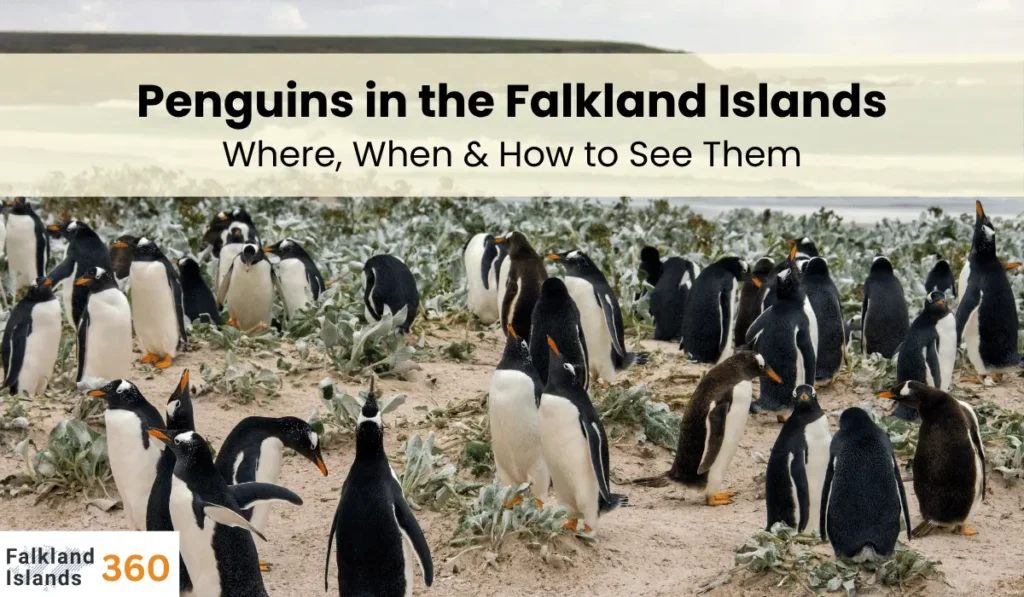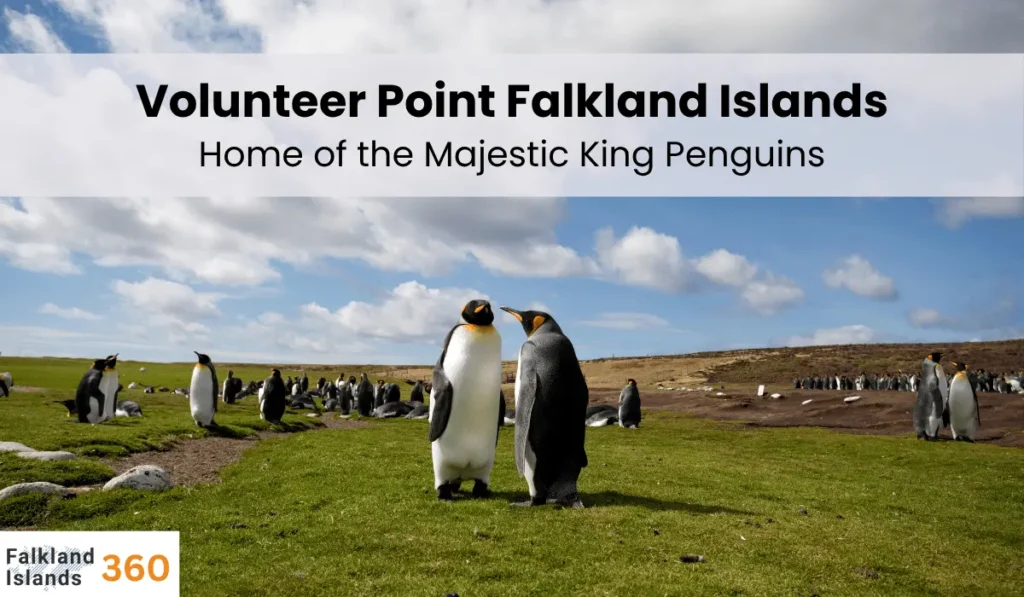

A practical birding trip needs enough time for weather and FIGAS changes. Allow roughly 10–14 days and combine Stanley with two or three outer-island stays rather than trying to collect every island in a rushed schedule.
Days 1–2: Stanley
Use arrival time for the waterfront, nearby coast and Gypsy Cove. This gives you steamer ducks, geese, shorebirds and Magellanic penguin habitat while protecting the schedule from an international-flight delay.
Days 3–5: Saunders or West Point
Prioritize black-browed albatross and rockhoppers. Saunders works particularly well for a multi-night land stay; access to West Point depends on your wider itinerary.
Days 6–8: Carcass or another predator-free island
Shift attention toward smaller land birds, Johnny rooks and coastal species rather than repeating only penguin photography.
Days 9–11: Sea Lion Island or another wildlife-rich stay
Add raptors, shorebirds and marine wildlife. Keep the final one or two days flexible for FIGAS and onward travel.
Because FIGAS schedules are demand-driven, do not build a same-day international connection at the end of a complex island sequence.
Leave room for FIGAS changes
Keep a buffer near the end of a multi-island birdwatching itinerary. FIGAS schedules depend on passenger and freight demand and are confirmed close to travel, while weather can still intervene. Identify target birds by island but stay flexible about exact daily timing, and keep binoculars accessible on travel days.