
The strongest Falklands birding trip combines Stanley-area coastal habitat with at least two outer islands. Saunders and West Point excel for black-browed albatross and rockhoppers; Carcass is especially rewarding for small land birds and Johnny rooks; Sea Lion Island adds raptors, shorebirds and dense wildlife; Stanley gives accessible coastal birding without an inter-island flight.
Saunders Island
The Neck is one of the archipelago’s classic birding landscapes, bringing albatross and several penguin species into a relatively compact coastal area.
West Point Island
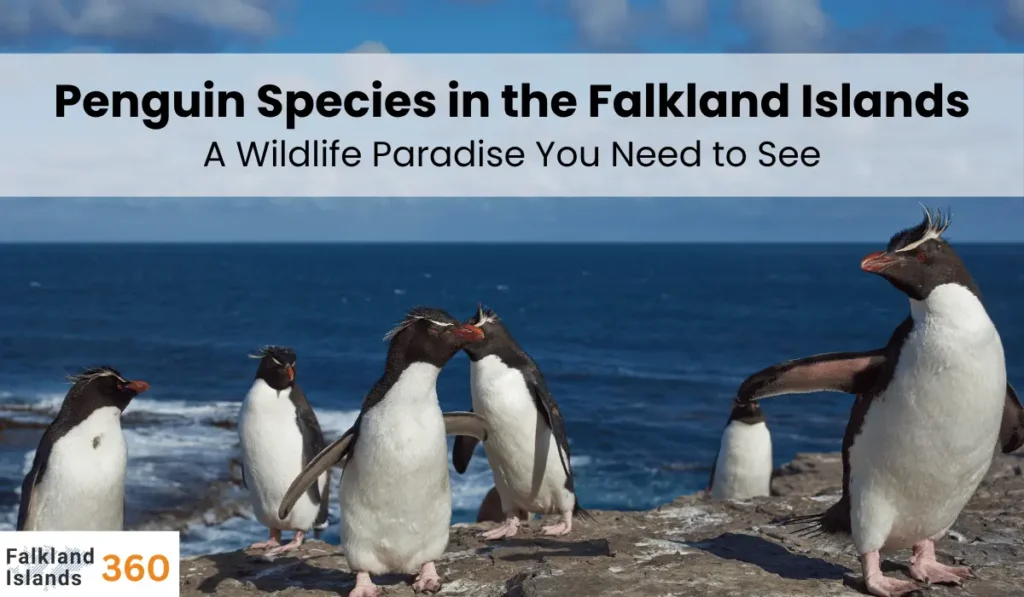
Devil’s Nose is renowned for black-browed albatross and southern rockhopper penguins. Access arrangements and walking conditions should be confirmed before arrival.
Carcass Island
Carcass is notable for abundant small birds in addition to penguins and striated caracaras, helped by the absence of introduced rats.
Stanley and nearby coast
Gypsy Cove, Cape Pembroke and the harbor/coastal zone can produce steamer ducks, geese, shorebirds, seabirds and Magellanic penguins without a FIGAS flight.
Build the list around habitats
Do not make every birding day another penguin colony. Add predator-free tussac habitat for small endemic birds, sheltered coastline for steamer ducks and geese, open Camp for raptors, and cliffs for albatross and rockhoppers. This gives a broader Falklands bird list and makes each island stay feel different.
Why the Falklands matter for albatross
Official Falklands tourism information states that the archipelago supports more than 70% of the world’s black-browed albatross population. That makes albatross colonies a major birding priority alongside penguins, endemics and the striated caracara.