
The Falklands reward photographers who stay several nights at a few wildlife-rich locations instead of racing between islands. A strong first trip combines Stanley or East Falkland with two or three outer-island stays, uses a manageable telephoto zoom rather than an unnecessarily huge lens, and leaves schedule margin for FIGAS and weather.
Choose locations by subject
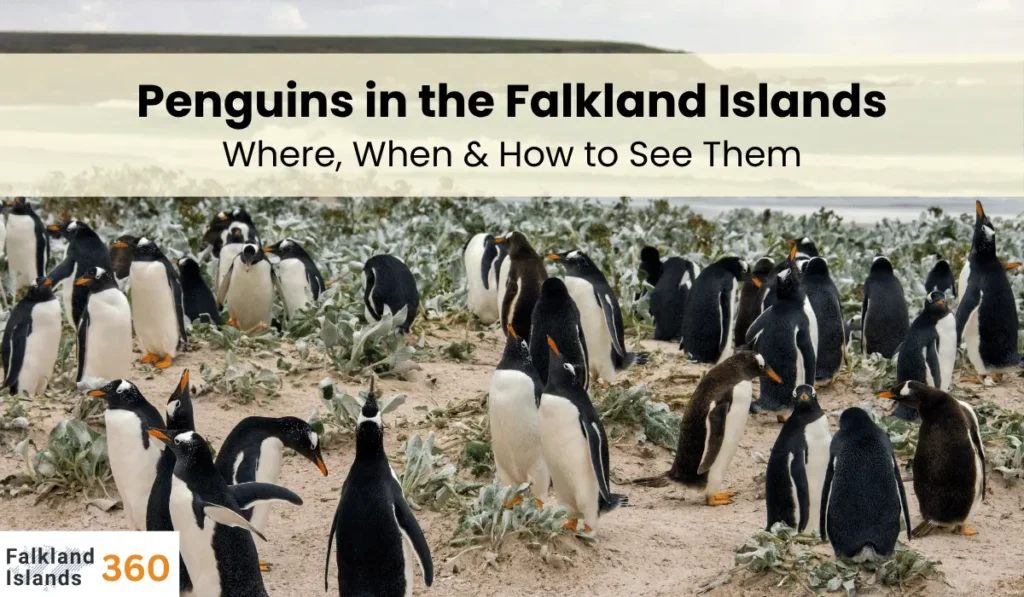
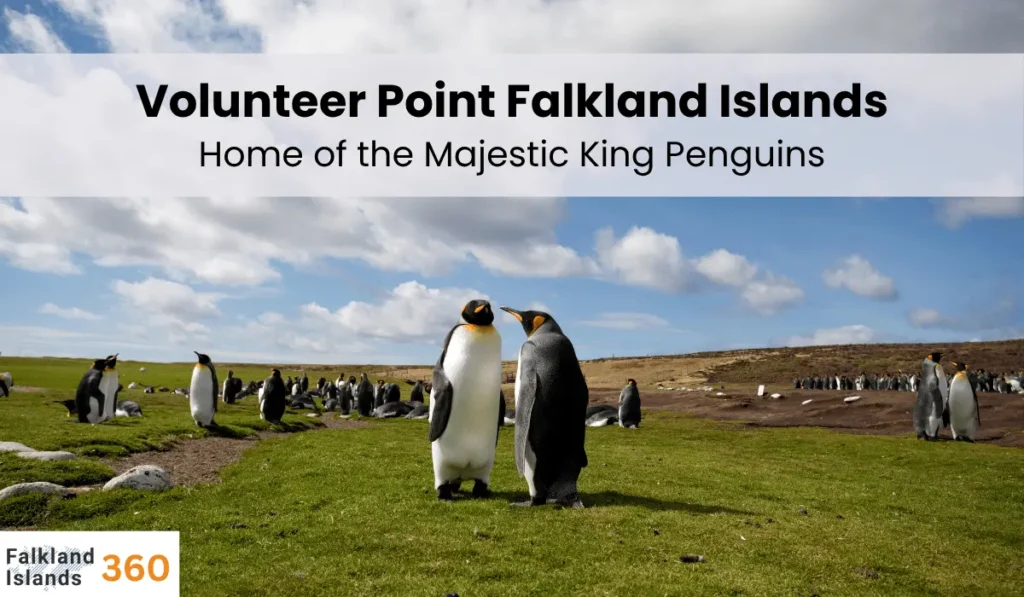
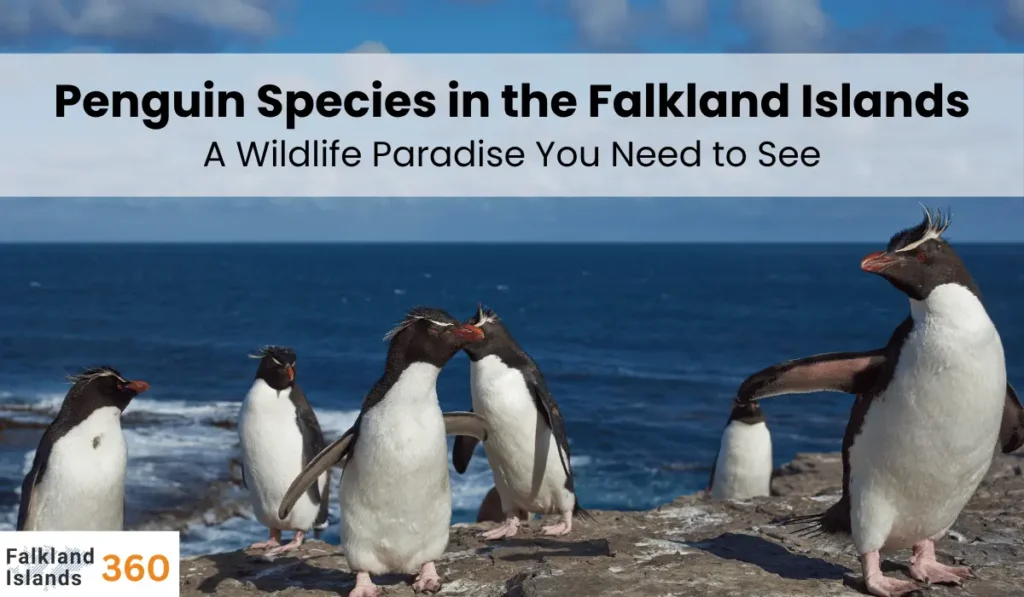
Volunteer Point is the classic king-penguin destination. Saunders and West Point are outstanding for black-browed albatross and rockhoppers. Sea Lion Island adds elephant seals, penguins, raptors and possible orca encounters. Carcass Island is especially useful for smaller birds and striated caracaras. Stanley and East Falkland add history, landscapes and accessible coastal wildlife.
Build the trip around light and time
Land-based stays can give photographers early and late sessions that cruise calls often cannot. Austral spring brings courtship and nesting; midsummer brings long daylight and growing chicks; later summer changes colony behavior again. Exact timing varies by species.
Camera kit that fits the Falklands
A 100–400mm-class zoom is highly versatile for wildlife, while a standard or wide zoom records colonies and landscapes in context. Add rain protection, a dry bag for wet transfers, spare batteries, multiple memory cards and redundant storage. Strong wind makes excessively heavy long-lens systems harder to use.
Plan around FIGAS, not against it
FIGAS operates a demand-driven inter-island service and currently publishes a 20 kg visitor baggage allowance. Keep the empty camera bag light, declare expected excess in advance and avoid a fragile itinerary with consecutive one-night stays.
Wildlife comes before the photograph
The Countryside Code requires at least 6 metres (20 feet) from wildlife, and greater distance is appropriate whenever an animal reacts to you. Never block routes between colonies and the sea, feed animals or move closer because a shorter lens cannot fill the frame.
Protect equipment from the South Atlantic
Wind-driven rain and salt spray are normal field risks. Use a rain cover while shooting, protected luggage during transport and careful cleaning after salt exposure. Our camera weather-protection guide covers the workflow in detail.
A practical 10–14 day structure
Start with one or two nights around Stanley, spend three or four nights at a major seabird/penguin island, move to a second outer island with different species, then return to East Falkland with at least one buffer night before an international departure. Add more islands only when you have more time.