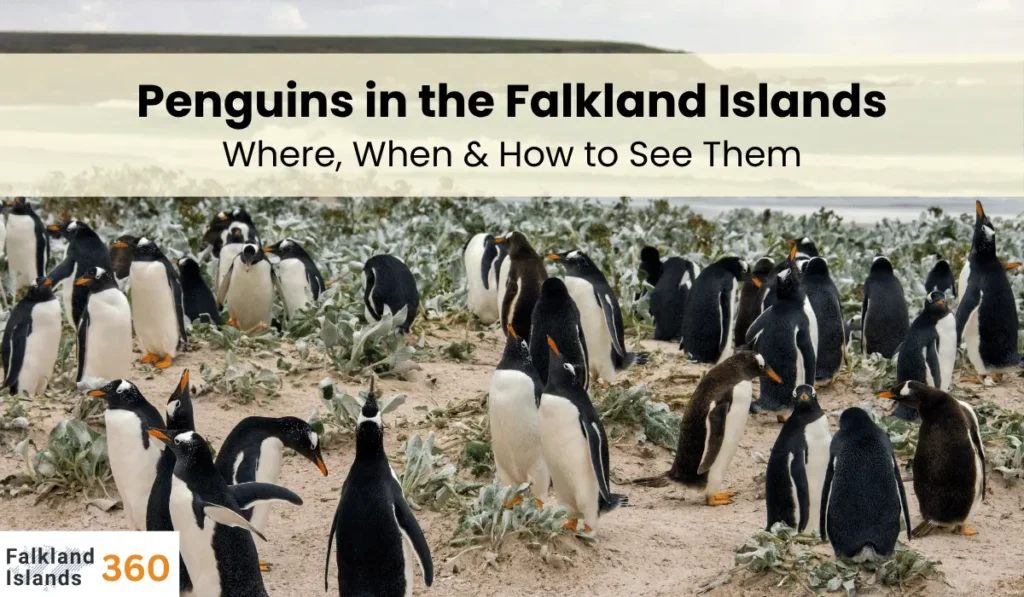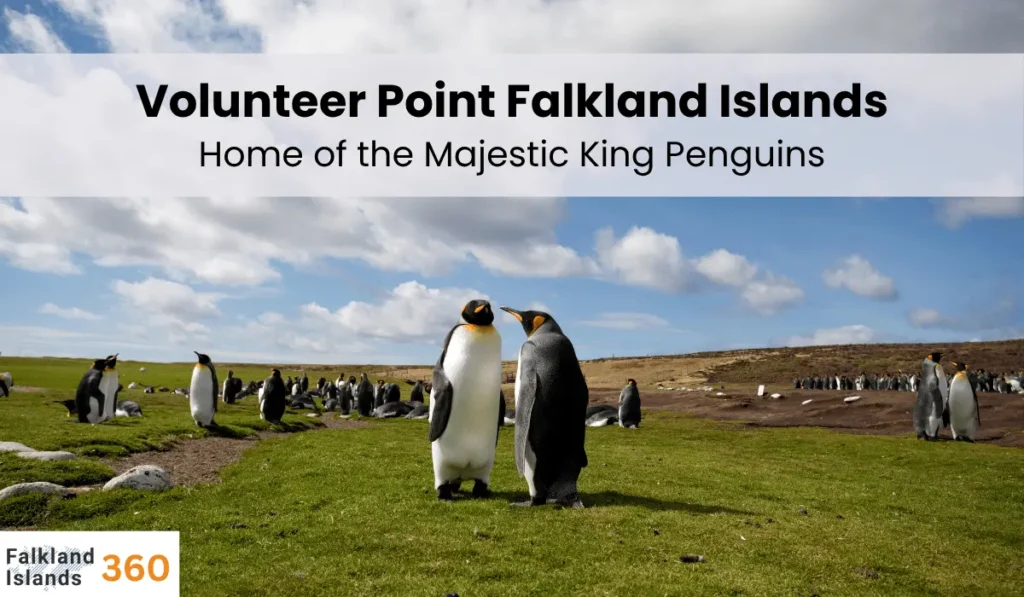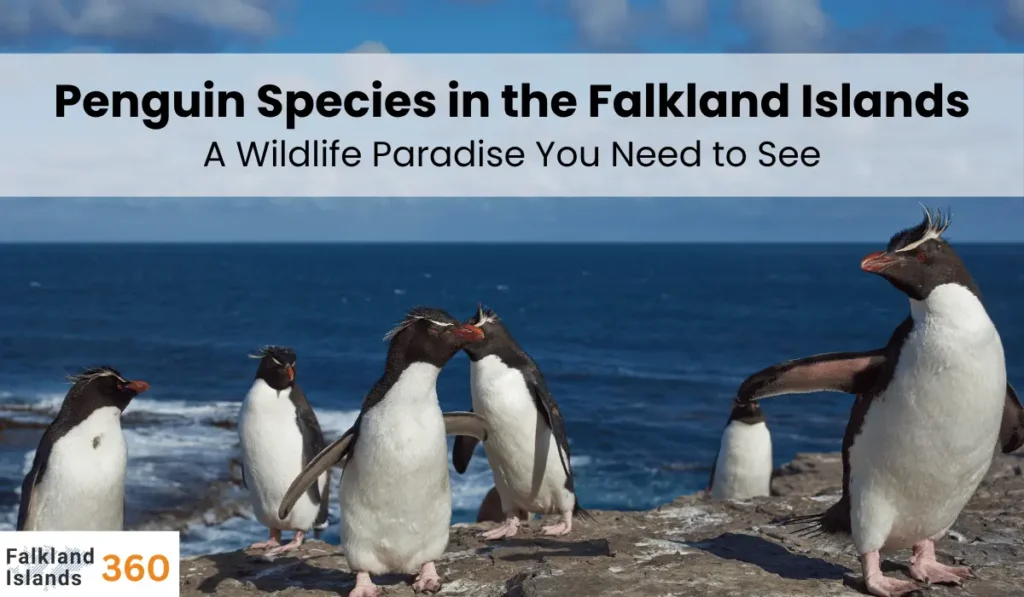

The best Falklands photography plan is built around subjects rather than a single “best” island. Use Saunders or West Point for albatross and rockhoppers, Volunteer Point for king penguins, Sea Lion Island for marine wildlife, and Stanley/East Falkland for accessible landscapes, history and coastal birds.
Spring: courtship and nesting
Austral spring brings returning seabirds, nesting behavior and dynamic weather. It can be excellent for behavior-focused images, though timing varies by species.
Midsummer: chicks and long daylight
December and January offer long shooting days and active colonies. Chicks become prominent at many penguin and seabird sites, while strong midday light makes early and late sessions valuable for land-based visitors.
Late summer: changing colonies and marine life
Later-season behavior changes as young birds grow and some species prepare to leave breeding sites. Marine-mammal opportunities also vary through the season.
Gear for the conditions
A manageable telephoto zoom, wider lens, rain protection, spare batteries and redundant storage cover most visitors well. See our camera gear guide.
Make the final photo set more varied
Photograph wide colony scenes as well as close wildlife portraits. Stanley adds colorful buildings, maritime details and history; open Camp adds scale and weather; beaches add clean backgrounds and reflections. Carrying a wider zoom beside the telephoto helps a Falklands photography portfolio show the destination, not only isolated animals.