
A three-region expedition can combine multiple penguin species, albatross, elephant and fur seals, whales, dolphins and highly localized birds. The important point is that no itinerary guarantees every species: wildlife is seasonal, mobile and affected by which landing sites are actually accessible.
Falkland Islands
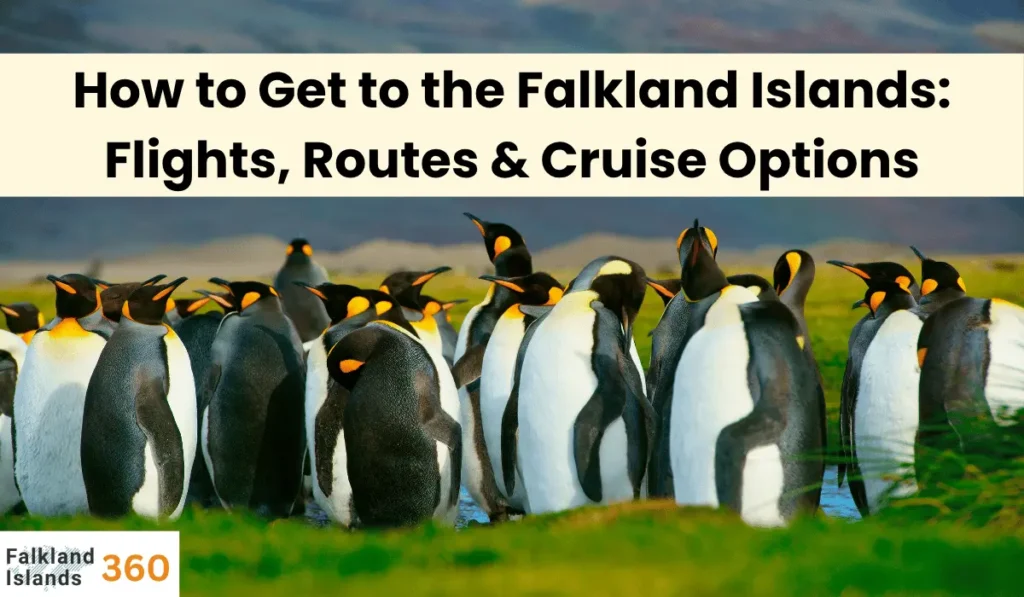
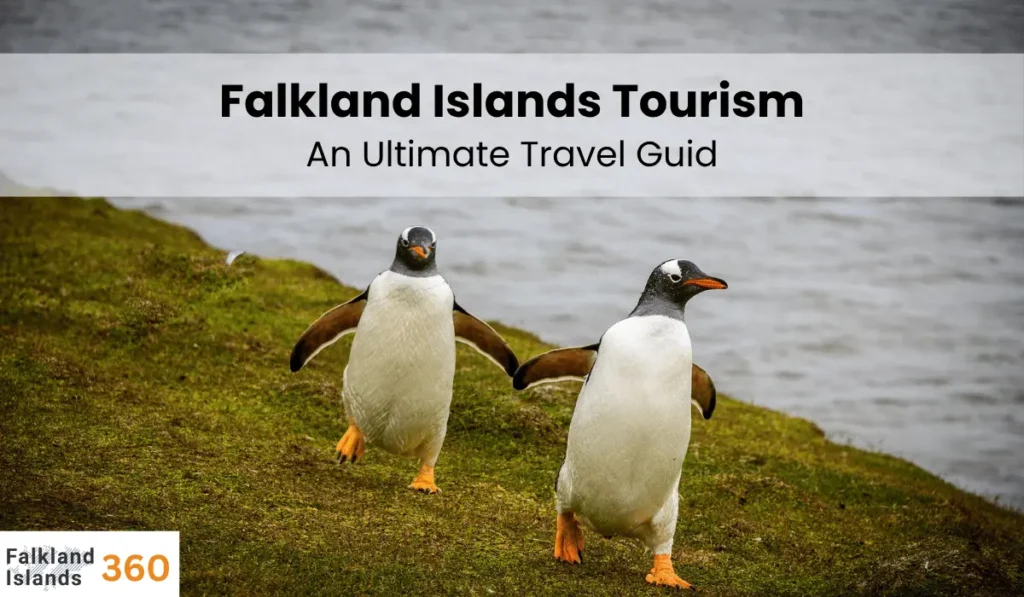
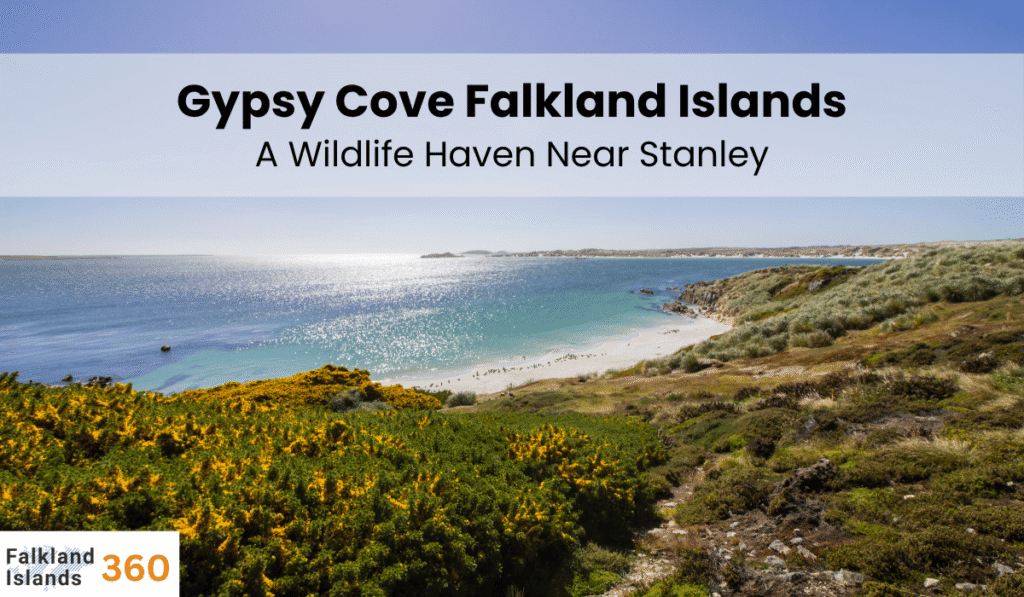
Potential highlights include king, gentoo, Magellanic, southern rockhopper and macaroni penguins, black-browed albatross, striated caracaras, Falkland steamer ducks, elephant seals, sea lions and dolphins.
South Georgia
South Georgia is renowned for vast king-penguin colonies, Antarctic fur seals, southern elephant seals and abundant seabirds. Site availability and wildlife-protection measures determine where visitors can land.
Antarctica
Depending on route and season, visitors may see gentoo, chinstrap and Adélie penguins, seals and several whale species. Responsible viewing rules and expedition briefings apply throughout.
For Falklands-specific timing, use our wildlife calendar.
Think in regions, not one wildlife checklist
The Falklands are particularly strong for black-browed albatross, several penguin species and approachable coastal birding; South Georgia is famous for immense king-penguin concentrations and seals; Antarctica adds its own penguins, seabirds and marine mammals. Species and abundance vary by landing, season and conditions, so a good expedition treats every encounter as observational rather than guaranteed.
Wildlife changes through the season
Breeding stage matters as much as species presence. Courtship, eggs, chicks, fledging and seal activity occur at different points of the austral season, and weather can alter access even when animals are present. Choose a sailing for the behaviors you most want to observe, while treating individual sightings as opportunities rather than promises.