
Most large cruise ships visiting Stanley anchor offshore and bring passengers ashore by tender to the central public jetty beside the Jetty Visitor Centre. That is a major advantage: you arrive within walking distance of the main waterfront sights. The bigger planning decision is whether to spend the call in Stanley or use most of it on a pre-booked wildlife excursion.
Stanley cruise port at a glance
- Typical large-ship arrival: tender to the public jetty
- Arrival area: central Stanley, next to the Jetty Visitor Centre
- Walkability: very good for central attractions
- Main long excursion: Volunteer Point and other wildlife sites
- Weather risk: wind and sea conditions can affect tender operations
- Currency: Falkland pound and UK sterling circulate at equal value; cards are increasingly common
- Wi-Fi: available at the visitor centre and other hotspots, but connectivity should not be assumed everywhere
Where cruise tenders arrive
The Falkland Islands Tourist Board says passengers from large cruise vessels are brought directly to the Jetty Visitor Centre area. Smaller vessels may use FIPASS, with shuttle arrangements into the centre. Follow your ship’s instructions because the exact landing process is operational, not something to infer from a generic port map.
What is within walking distance?
Central Stanley is compact. From the jetty you can reach Christ Church Cathedral, the Whalebone Arch, Victory Green, memorials, shops, cafés and the Historic Dockyard Museum on foot. Our things to do in Stanley guide helps prioritize them.
Should you book a shore excursion?
Book one when your priority is wildlife that cannot be reached efficiently on foot from the port. Volunteer Point, for example, is a dedicated overland trip and requires a local guide. A central Stanley day, by contrast, can be done independently. The right choice depends on your port hours, mobility, wildlife priorities and tolerance for spending a large part of the call in a vehicle.
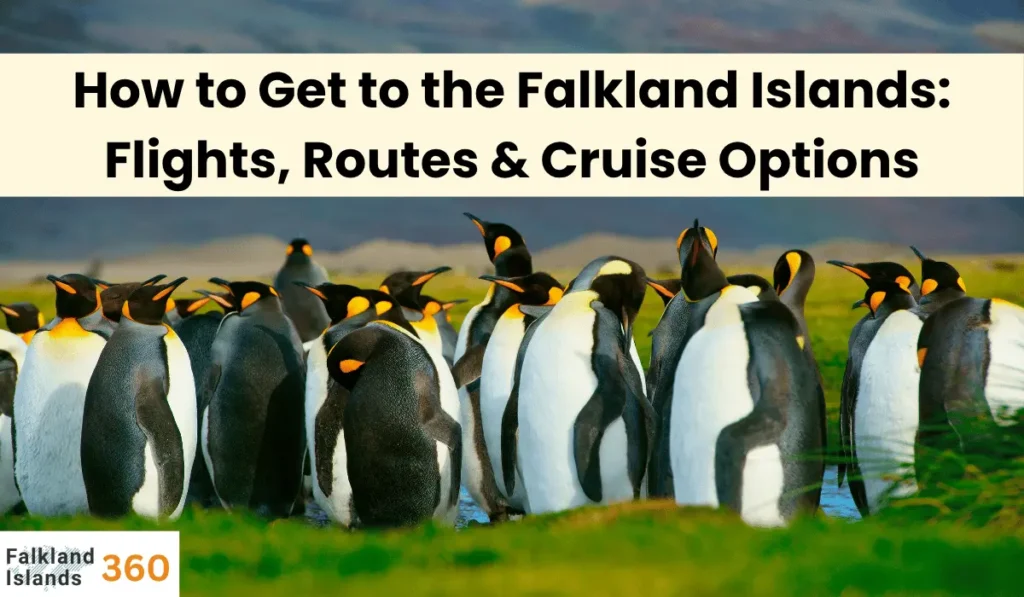
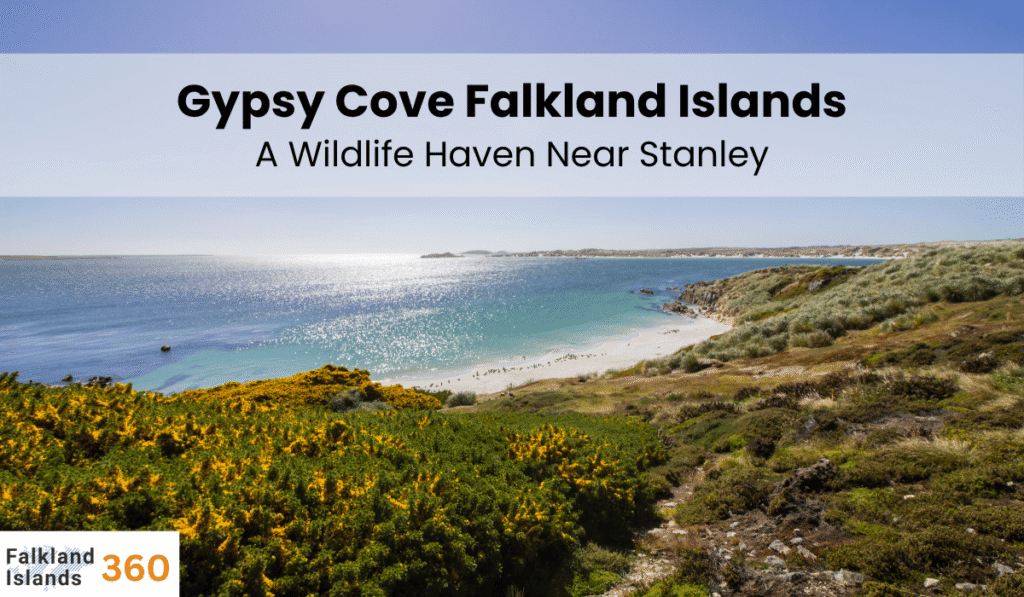
If king penguins are your goal, review the Volunteer Point guide. If you want a shorter nearby wildlife experience, Gypsy Cove is much closer to Stanley.
Tendering and weather
The South Atlantic is exposed, and wind or sea state can change port operations. Do not treat a published cruise itinerary as a guarantee that a landing will occur. On the day, the ship and local authorities determine what is operationally safe. Keep independent plans flexible and understand cancellation terms before paying.
Money, cards and connectivity
The local Falkland pound is equal in value to UK sterling, and both circulate. Official visitor information says cards are accepted by the majority of shops and restaurants, though cash remains useful, particularly outside Stanley. Communications are provided by Sure. Wi-Fi hotspots exist in Stanley and around the Islands, but service is not universal.
What to wear ashore
Carry a waterproof and dress in layers even if the morning looks settled. Add sunscreen: official safety guidance warns that sunburn can occur easily. For a purely urban walk, comfortable shoes are sufficient; wildlife and countryside excursions may require more robust footwear.
A simple independent port-day plan
Start at the visitor centre for a map and current information, walk the waterfront to the cathedral and Whalebone Arch, spend meaningful time at the museum, then use the remaining window for lunch, shopping or a short pre-arranged outing. Keep a generous margin before your ship’s final tender rather than planning to return at the last possible minute.
FAQ
Can you walk from Stanley cruise port to the main sights?
Yes. Large-ship tenders normally arrive in central Stanley and many major sights are within walking distance.
Do cruise ships always land in Stanley?
No landing should be treated as guaranteed. Wind, sea conditions and operational decisions can affect tendering.