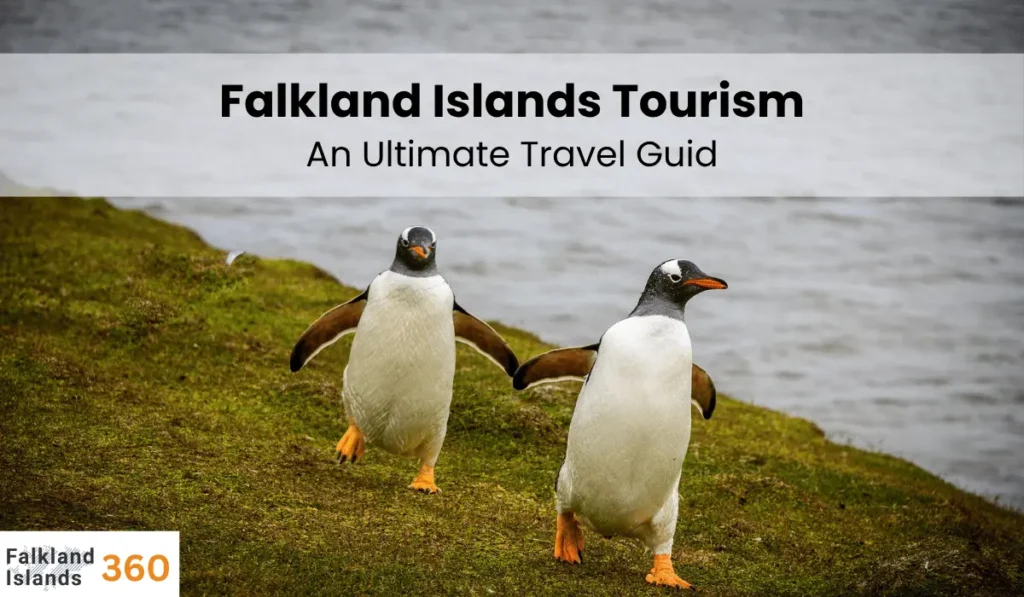


Organizing a trip to the South Atlantic requires careful attention to detail and realistic expectations. This remote destination offers incredible wildlife encounters and pristine windswept landscapes. You cannot simply book a last-minute ticket and expect everything to fall into place. Effective Falkland Islands travel planning is the absolute key to a successful and stress-free journey.
Flights are limited and the best accommodations fill up extremely quickly during the peak season. You need to know exactly how to navigate local transport and unpredictable weather conditions. This guide breaks down the essential steps to build your ideal itinerary. We cover everything from arriving at the airport to booking inter-island flights.
We will help you understand the daily logistics of moving between Stanley and the outer islands. You will learn the best times to see specific penguin colonies and how to manage your daily budget. Let us remove the guesswork from your preparation so you can focus entirely on the incredible experience ahead.
Quick Overview
- Best for: Wildlife enthusiasts and serious nature photographers
- Ideal season: October through March
- Time needed: Ten to fourteen days
- Cost level: High due to remote logistics
- Difficulty: Moderate to high accessibility challenges
- Wildlife highlights: Five penguin species and massive elephant seals
Understanding Flights and Entry Logistics
Getting here is the very first logistical hurdle in your journey. There are two main civilian routes to reach the islands safely. LATAM operates weekly flights connecting through South America. You can fly from Punta Arenas in Chile or via Brazil depending on the current airline schedule.
Always check the most recent flight schedules before booking your accommodations. Flights can occasionally face delays due to high winds and rapidly changing weather. See our guide to Mount Pleasant Airport for detailed arrival procedures and customs information.
You must have pre-booked accommodation secured before you arrive. Immigration officials will ask for physical proof of your itinerary at the border crossing. You also need valid travel insurance that specifically covers emergency medical evacuation from remote areas.
Navigating Local Transport with FIGAS
Traveling between the different islands is a truly unique experience. The Falkland Islands Government Air Service operates a small fleet of Islander aircraft. Locals simply refer to this vital transport network as FIGAS.
You do not get a fixed flight time when you initially book your ticket. The flight schedule is announced on the local radio the evening before your departure. The daily route changes constantly based on exactly who needs to go where.
Weight limits on FIGAS are strictly enforced for obvious safety reasons. You are allowed exactly twenty kilograms of luggage including your hand baggage. Plan your packing strategy carefully if you carry heavy photography equipment.
Exploring Stanley and The Camp
The islands are generally divided into two completely different main experiences. Stanley is the capital and holds the vast majority of the population. The rest of the sprawling rural territory is known locally as Camp.
Stanley offers paved roads and standard modern amenities. You will find grocery stores and cozy pubs alongside historical museums and gift shops. It serves as your main hub for gathering supplies and booking local tours.
Camp is where you find the sprawling sheep farms and major wildlife colonies. Visiting the outer islands requires advanced booking and detailed coordination. Lodges in Camp are small and offer full-board meals to their guests.
Budgeting and Currency Expectations
A trip here requires a very healthy travel budget. Accommodation and transport costs accurately reflect the isolated nature of the destination. Everything from vehicle fuel to fresh produce must be imported by sea.
The local currency is the Falkland Islands Pound. It is pegged exactly to the British Pound Sterling at all times. You can use standard UK currency freely throughout the islands without any exchange issues.
Credit cards are accepted in Stanley at most large retail businesses. However you should carry physical cash when visiting Camp or paying for smaller local services. There are no ATMs available anywhere outside of the capital.
Connectivity and Digital Detox
Do not expect fast or free internet during your stay. Wi-Fi is available but it is expensive and metered closely by the megabyte. You buy internet cards with a scratch-off code to get online.
Most lodges in Camp sell these Wi-Fi cards directly at their reception desks. The connection is usually fast enough for basic emails and simple text messaging. Do not plan on streaming video or uploading large photo albums during your trip.
Embrace this situation as a chance for a true digital detox. Tell your family and colleagues that your response times will be extremely slow. Focus your attention entirely on the incredible nature surrounding you.
When to Visit
The official tourist season runs strictly from October through March. This corresponds exactly with the Southern Hemisphere spring and summer months. This is when the wildlife is most active and easily accessible. Check our best time to visit breakdown for month-by-month details.
The weather is famously known for changing rapidly without warning. You might experience bright sunshine and heavy hail in the exact same hour. Layering is the only effective way to dress here comfortably.
Bring a high-quality windproof and waterproof outer shell. Sturdy waterproof walking boots are absolutely essential for hiking safely through thick tussac grass. Do not forget high SPF sunscreen because the UV index is intense even on cloudy days.
Booking Tips and Strategies
Start planning your trip at least twelve to eighteen months in advance. The outer island lodges have very few guest rooms available at any given time. Peak dates in late December and early January sell out incredibly fast.
Work with a specialized local tour operator if you feel overwhelmed by the process. They hold advance allotments for FIGAS flights and specific lodge rooms. They can coordinate all the complex logistics seamlessly for you.
Always build buffer days into your travel itinerary. You lose a portion of your day every time you take an inter-island flight. A relaxed pace is the secret to a successful trip.
Local Tip
The wind is a constant and powerful companion on the islands. It shapes the dramatic landscape and dictates the daily travel schedule. Many visitors completely underestimate how exhausting strong winds can be over several days.
Wildlife timing is incredibly specific and non-negotiable. If you want to see massive elephant seal pups you must arrive exactly in November. Explore our penguin species guide to align your specific travel dates with their distinct breeding cycles.
Distances look very small on a map but overland travel takes significant time. Off-road driving across thick peat bogs is a very slow and bumpy process. Always trust local drivers instead of trying to navigate unmarked tracks yourself.
Food and Dining Expectations
You might wonder what kind of food awaits you in such a remote location. Stanley has several excellent restaurants serving very hearty and delicious meals. You can find everything from traditional fish and chips to upscale dining options. Local lamb and fresh seasonal seafood are standard menu highlights.
Dining in Camp is a completely different communal experience. Lodges provide full-board service because there are no independent restaurants nearby. You will eat meals prepared directly by the lodge staff or the farming family themselves.
Expect traditional British-style home cooking with large portions to fuel your outdoor activities. Breakfasts are usually hot and highly substantial. Afternoon tea is a beloved local tradition featuring freshly baked cakes and sweet biscuits.
Health Safety and Medical Facilities
The islands are exceptionally safe in terms of general crime. You can walk around Stanley at night without any safety concerns whatsoever. The main hazards relate directly to the rugged outdoor environment and harsh weather.
King Edward VII Memorial Hospital is centrally located in Stanley. It provides excellent care for everyday medical issues and minor physical emergencies. However it is not equipped for highly specialized surgeries or complex medical trauma.
This is exactly why comprehensive medical evacuation insurance is a strict legal entry requirement. If you experience a severe medical emergency you will be airlifted directly to South America. Bring all necessary prescription medications with you in their clearly labeled original bottles.
Wildlife Viewing Etiquette
The sheer volume of animals is the main reason people travel here. You will share pristine beaches with thousands of breeding penguins and massive seals. The islands follow very strict conservation rules to protect these fragile natural habitats.
The local Countryside Code dictates exactly how visitors must behave around the animals. You must always maintain a strict distance of at least six meters from any wildlife. Keep a low physical profile and avoid making sudden movements or loud disturbing noises.
Penguins always have right of way at all times on the beaches. Never position yourself directly between a penguin and the open ocean. If an animal naturally approaches you just stay perfectly still and enjoy the magical encounter.
Photography Gear and Preparation
This destination is a pure paradise for serious nature and wildlife photographers. Capturing the perfect shot requires the right equipment and careful mental preparation. The bright expansive skies and highly reflective water create very unique lighting challenges.
A zoom lens ranging from one hundred to four hundred millimeters is highly ideal. This allows you to capture intimate wildlife portraits without breaking the strict distance rules. A wide-angle lens is also very useful for capturing the vast dramatic coastal landscapes.
Tripods are occasionally helpful but the fierce wind can make them highly unstable. Many professionals prefer using a sturdy monopod or a heavy beanbag for camera stabilization. Always bring several extra batteries because the cold crisp air drains power rapidly.
Choosing Which Outer Islands to Visit
Deciding exactly where to spend your time in Camp is a major part of your preparation. Each distinct island offers a slightly different ecosystem and primary wildlife focus. You simply cannot visit them all in a single short trip.
Sea Lion Island is the most southerly inhabited island in the territory. It is the premier destination for seeing massive elephant seals and hunting killer whales. The lodge here is purpose-built and sits right near the main wildlife action.
Carcass Island in the northwest is highly famous for its small songbirds and lush vegetation. It has absolutely no rats or cats which allows the delicate birdlife to thrive. You will also see Gentoo and Magellanic penguins along its pristine white sandy beaches.
Conclusion
Proper preparation guarantees an incredible and seamless South Atlantic adventure. Securing your international flights and remote lodges early is your very first major step. Understanding the local transport system helps you perfectly manage your daily expectations.
Pack practically and strongly respect the highly unpredictable weather conditions. Embrace the slow daily pace of life and the complete lack of constant internet connectivity. The sheer volume of accessible wildlife makes every single logistical hurdle completely worthwhile.
Start reaching out to lodges and mapping your route today. A well-planned itinerary allows you to relax and fully immerse yourself in the dramatic landscape. This unique destination generously rewards the organized traveler with memories that truly last a lifetime.
FAQs
Do I need a visa to visit the Falkland Islands?
Most travelers from North America and Europe do not need a visa for short tourist visits. You must check the specific government entry requirements for your exact nationality before booking any flights.
How long should I spend on the islands?
A typical travel itinerary lasts between seven and fourteen days. Two full weeks allows you to explore Stanley and visit two or three outer islands comfortably without constantly rushing.
Can I rent a car to drive around?
You can easily rent four-wheel-drive vehicles in Stanley for local exploration. However driving off-road to major wildlife sites requires deep local knowledge and specific permission from private landowners.
Are there polar bears or icebergs here?
No polar bears live anywhere in the Southern Hemisphere. Icebergs are incredibly rare this far north of the Antarctic circle. The landscape is mostly dominated by rocky shores and vast grasslands.
What is the primary language spoken?
English is the only spoken language throughout the territory. The locals have a distinct and charming accent but you will have absolutely no trouble communicating anywhere you go.
Is the tap water safe to drink?
Tap water is perfectly safe to drink in Stanley and at all the remote camp lodges. Bring a sturdy reusable water bottle to fill up every morning before your daily hiking excursions.
How close can I get to the penguins?
You must maintain a minimum distance of exactly six meters from all wildlife. The animals often approach you naturally if you sit quietly on the beach.