
The Falklands are a remote South Atlantic archipelago with cool, windy weather and astonishing wildlife. Summers are mild (highs around 12–13 °C) with long daylight, while winters are cold (lows near 0–2 °C). The islands host huge colonies of penguins, sea lions, seals and seabirds.
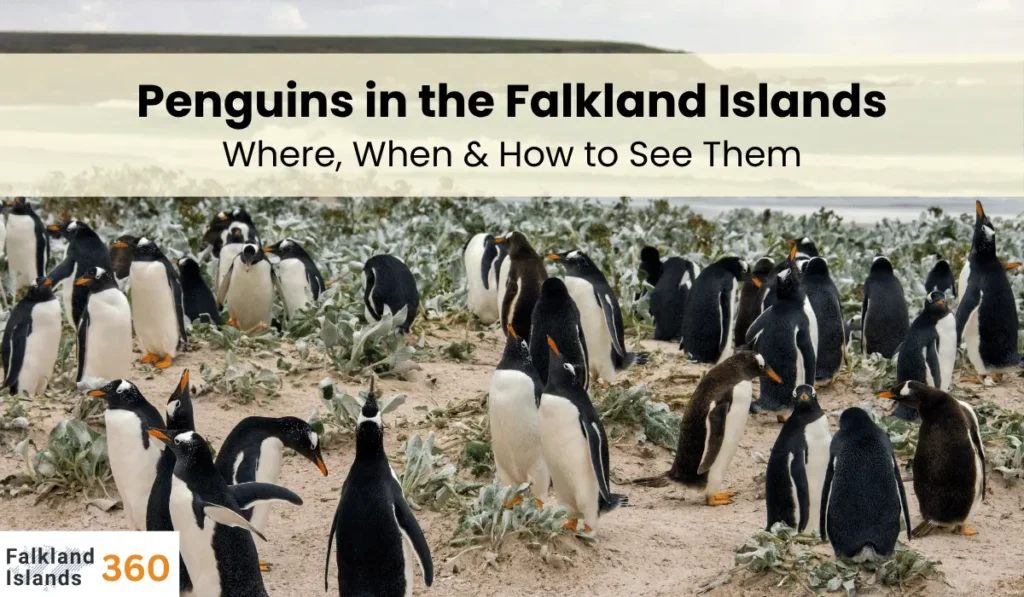
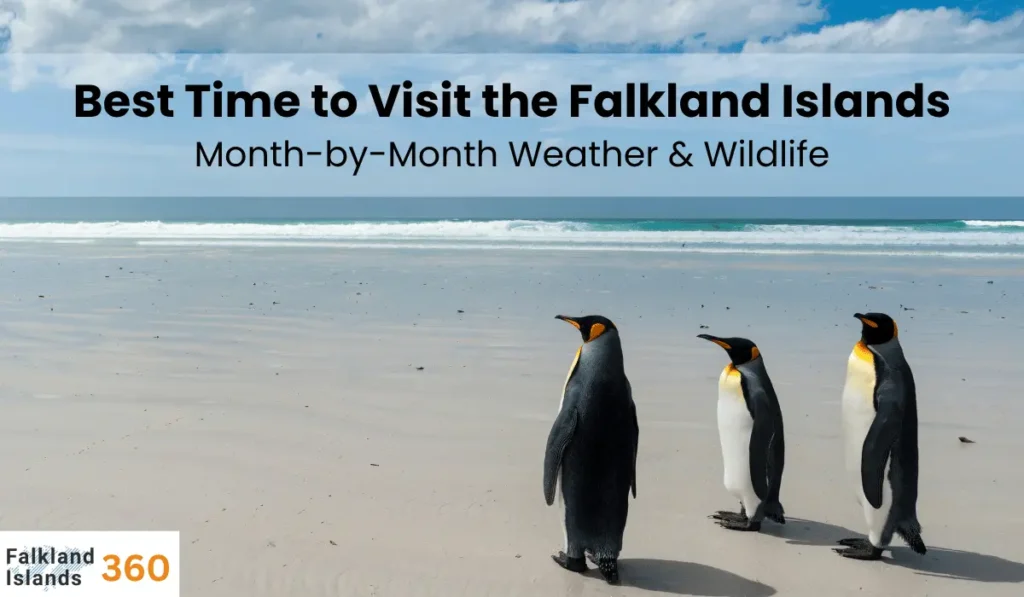
In summer you’ll see sunlit beaches dotted with king penguins (at Volunteer Point and elsewhere), and in autumn and spring thousands of gentoo, Magellanic and rockhopper penguins nesting on sandy beaches.
Throughout the year, wind and weather can change fast. Always pack windproof layers and rain gear, plus sunscreen (the clear air means UV is strong even if it feels cool). With careful planning, any month can be rewarding. Below is a month-by-month guide to weather and wildlife highlights in the Falklands, and travel tips by season and the best time to visit the Falkland Islands.
January
January is mid-summer. Daytime highs reach about 12–13 °C, with ~16 hours of daylight. It’s generally cool and windy, with chances of sun and occasional rain.
Wildlife: Penguin colonies are bustling. Gentoo and rockhopper chicks form crèches, and adults spend long days foraging for them. King penguin colonies still have adults and oversized chicks at different life stages. Elephant seals (South American sea lions) are in moult. Many massive bulls haul out on beaches late in January. Sea lion pups born in December are now plentiful on shore. Migratory seabirds (like skuas and terns) are busy feeding their chicks.
Travel tip: January is peak season. Book accommodation and transport well in advance. Pack layers (sunny sunburn days or blustery rains) and a waterproof jacket. The island tour operators run wildlife boat trips and 4×4 trips to outlying beaches now.
February
February remains warm. Highs are near 12–13 °C and nights around 5–6 °C. Days are still long (14–16 hours).
Wildlife: Penguin chicks grow fluffy and curious. In early Feb Magellanic penguin chicks start poking their heads out of burrows. Gentoo chicks develop fast. Sea lion pups continue forming nurseries on beaches. You can see many seabirds (albatross, petrels, terns) feeding near shore. Whales like humpbacks and dolphins may be spotted offshore in late summer.
Travel tip: Continue light layers and rain gear. Late February is still busy but quieter than Jan. Cruise ships and expedition vessels often visit Stanley and Volunteer Point now. It’s a great time for kayaking, fishing charters and scenic flights, though always be flexible about weather.
March
March ushers in autumn. Temperatures drop slightly (highs ~11–12 °C) and daylight falls to ~12 hours. Rain and wind increase somewhat it’s still one of the wetter months.
Wildlife: Most penguin chicks fledge and leave colonies by mid-March. King penguins are busy feeding their young. Elephant seal harems break up as bulls and females depart; some females mate again. Seals and sea lions haul out in groups on beaches. Many migratory birds begin heading north, but dozens of smaller bird species like steamer ducks, upland geese remain.
Travel tip: March is shoulder season. Fewer tourists mean more solitude. You might have a penguin beach nearly to yourself. Spring-like rains can occur, so waterproof shoes and jackets are essential. Most tours and lodges still operate through March. It’s a nice time for hiking and wildlife photography.
April
April is cooler (highs around 9–10 °C, lows near 3–4 °C) with about 10–12 hours of daylight. Early April still sees some migration (last Magellanic penguins and black-browed albatross).
Wildlife: By mid-April, most penguins have departed for the sea. Adult seals and sea lions also begin leaving. The landscape turns golden-brown. Some hardy birds (Falkland steamer ducks, caracaras) start breeding.
Travel tip: Consider packing warmer gear (fleece and hat). Easter around this time often brings New Year celebrations on farms with traditional music. This quiet shoulder season is good for off-season travel deals and for spotting dolphins in sheltered bays (crowds are low).
May
May is late autumn/early winter. Temperatures fall to highs ~7 °C, with frost possible. Daylight ~9 hours.
Wildlife: Most wildlife retreats. Gentoo penguins – the hardiest species – may remain (around 50% of them overwinter). Many birds (like oystercatchers and striated caracaras) are still around. Offshore you might see orcas during seal-wintering season.
Travel tip: Facilities outside Stanley start to scale back by late April or May. Make plans accordingly. Fall colors and migratory birds (like shelducks, pintails) make birdwatching rewarding. Also, May can be stormy – double-check ferry and flight schedules, and always tell someone your route if hiking.
June
June is winter. Highs ~5–6 °C, lows around 0–1 °C. Just ~8 hours of daylight. Rain and even sleet/snow showers are common (though snow rarely settles).
Wildlife: Almost everything is at sea or resting. However, about half of the gentoos stay, and they can be seen around Stanley Harbour and some beaches. Many small land birds (like tussac birds and pipits) remain. Sea lions and elephant seals seldom haul out in midwinter. It’s still possible to see whales at this time, especially southern right whales.
Travel tip: Winter tourism is minimal. Only very experienced, flexible travelers (birders, solo adventurers) choose these months. If you do visit, plan ahead for limited flights (FIGAS planes run infrequently, often subject to weather). Days are short and cold – pack insulated jackets and lots of layers. Stanley is charming and quiet; farm stays offer cozy firesides. Note: Spring (September–November) is often recommended as the start of wildlife season, so many tours avoid June–August.
July
July is coldest. Highs only ~5 °C, lows around 0 °C, and just 8 hours of daylight. Strong westerly winds are frequent. Wildlife: Rare to see. Maybe a gentle all-white Falkland steamer duck on a quiet pond. The main sights are the stark landscapes (wintering caribou on Carcass Island, or reindeer on Weddell).
Travel tip: Spring clothing is mandatory. By July, many hotels/lodges close or run reduced services. This is off-season and not generally recommended for casual travelers unless on a special expedition or working trip.
August
August is late winter. Conditions similar to July (highs ~5–6 °C) but days start lengthening to ~10 hours. Slight uptick in sunshine.
Wildlife: A few furtive penguins arrive in late August. Magellanic penguins begin to come ashore by the end of August (on East Falkland). King and rockhopper penguin males start returning in droves by late September.
Travel tip: Like July, it’s very quiet. End of August can be a good time to book spring trips at off-season rates. If you do visit, make a winter-proof packing list (warm waterproof boots, gloves, hat).
September
September heralds spring. Highs climb to ~7 °C, daylight ~12 hours.
Wildlife: Spring migration and breeding begin. Gentoo and Magellanic penguins return to start nest-building. Rockhopper penguin males arrive late August, females by mid-September. Black-browed albatross and other seabirds return to nest. Elephant seals come ashore again.
Travel tip: Spring is an excellent time: still few tourists but abundant wildlife activity. The landscape is greening in days. Remember to keep a distance from nesting birds and seals (see wildlife etiquette). Layered clothing is still needed for chilly winds, but you may also get warm sunshine.
October
October is mid-spring. Weather is cool (~9 °C highs) but improving, with 14 hours daylight.
Wildlife: Penguins are busy. Gentoo and Magellanic lay eggs mid-month. Rockhoppers lay late October. King penguins and black-browed albatrosses are back, and the first albatross eggs are laid mid-Oct. Elephant seal pups appear late Sep to Oct.
Travel tip: October is often cited as one of the best months. Days are warmer and drier, flights and boats resume full schedules. It’s shoulder season (not quite peak crowds) so prices are moderate. It’s wise to pack both warm and rainproof layers — “four seasons in a day” is no joke.
November
November is late spring. Highs ~11 °C, 16 hours daylight.
Wildlife: Penguin eggs are incubating; fluffy chicks appear late November. King penguin chicks from the previous year are large and will moult soon. Elephant seals finish birthing and start mating. Birdlife is everywhere – snowy sheathbills, cormorants nest on cliffs, and albatross chicks grow.
Travel tip: This is prime wildlife month. Expect more travelers again – book tours (e.g. for penguin colonies, wildlife cruises or Sea Lion Island trips) early. Bring sturdy hiking boots for rocky trails to bird colonies, and mosquito repellent for tussac-covered marshes.
December
December is early summer. Highs ~12 °C, longest days (17+ hours).
Wildlife: Penguin and albatross eggs hatch in early Dec. Beaches fill with cute white-chested chicks. Elephant seal mothers feed pups (pups will fatten until Jan). Sea lion bulls establish breeding territories, and cows arrive late December – by New Year holiday, dozens of noisy sea lion pups are born. Adventurous travelers in mid-Dec may catch holiday celebrations at summer camps and farm fairs.
Travel tip: The season is in full swing. Book any final tickets and lodgings now. Rain is still possible (December had 64 mm in Stanley on average). Have sun protection handy, and respect wildlife – do not interfere with mothers and pups. New Year’s Eve is often celebrated outdoors in Stanley with fireworks (briefly!) due to early quiet at night.
Seasonal Travel Tips
Spring (Sep–Nov): Great wildlife viewing as seabirds and penguins return. Days lengthen and dress is like early summer. Still pack layers and windproof gear. Book wildlife tours early but expect slightly lower prices than peak summer.
Summer (Dec–Feb): Warmest weather, long daylight (up to 17 hr). Peak penguin and seal activity (hatchings, pups, crèches). Also busiest season – book accommodations, tours and cruises months ahead. Bring rain jacket and warm layers (often windy), plus sunhat/sunscreen for bright days.
Autumn (Mar–May): Cooler and windier, but still rewarding for fewer crowds. Many birds and some penguins are around early in March. Good time for hiking and fishing. Check that any outlying lodges are open (some close by April). Flights and ferries may be less frequent.
Winter (Jun–Aug): Cold, wet and windy. Many services and lodges shut or reduced; local flights can be unpredictable. Not recommended for casual tourists unless specific winter wildlife or solitude is desired. If visiting, carry extra warm gear and waterproof layers, and always inform someone of your travel plans.
Frequently Asked Questions
When is the best time to visit the Falkland Islands?
The peak tourism season is November–February, when the weather is warmest (highs ~12–13 °C) and wildlife (penguins, seal pups, albatrosses) is most active. Many guides also recommend shoulder months like October or March for good weather and smaller crowds.
What wildlife can I expect to see?
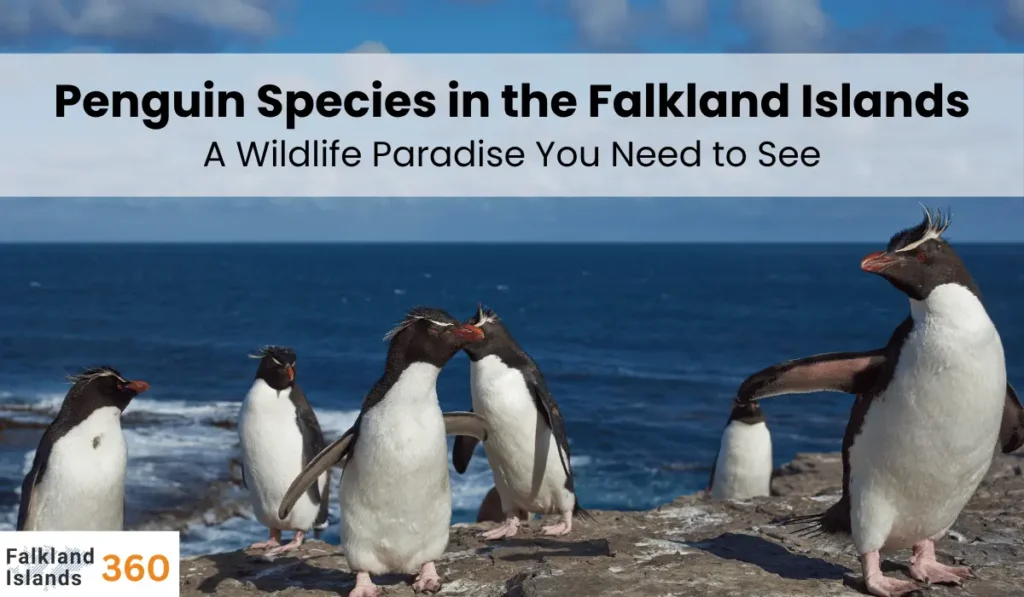
Penguins (gentoo, Magellanic, rockhopper, plus an Atlantic colony of kings at Volunteer Point) are ubiquitous in spring/summer. Sea lions (Patagonian) and southern elephant seals breed on beaches (pups Dec–Jan for sea lions; Sept–Oct for elephant seals). Tens of thousands of seabirds (black-browed albatrosses, cormorants, gulls) nest from October onward. In summer, you may also spot whales and dolphins offshore.
How is the weather by month?
Weather in the Falklands is cool and changeable year-round. Average summer highs (Dec–Feb) are about 12–13 °C, and winter highs (Jun–Aug) about 5 °C. Rainfall is fairly even through the year (~50–70 mm monthly, with March and December wettest). Always be prepared for wind and sudden showers.
Do I need a visa to visit Falkland Islands?
Most nationalities do not need a visa for tourist stays. Visitors are typically granted a one-month permit on arrival (and longer stays can be arranged). Always check entry requirements before traveling.
How do I get there and around?
Flights to Stanley (Mount Pleasant Airport) go via Santiago, Chile (LATAM airlines) or via the UK (RAF charter, limited). Some cruise ships call at Stanley and Volunteer Point in summer. Once on the islands, a few small local flights connect settlements (FIGAS). Overland travel is by 4×4 or bus on East and West Falkland’s limited roads, or by boat/ferry to outer islands. Tours often include transport between wildlife sites.
Are the Falklands safe to travel?
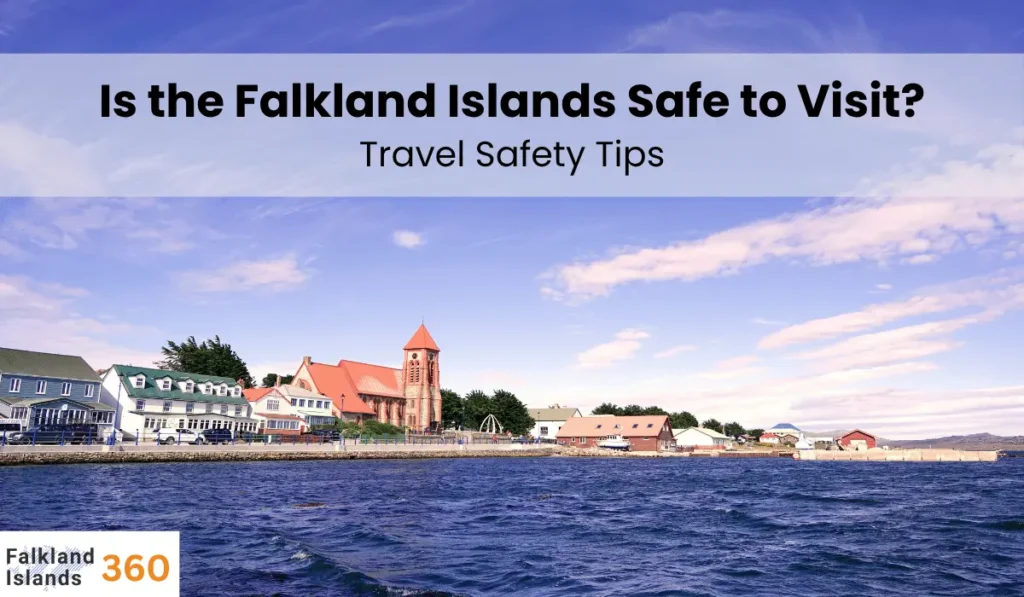
Yes. Crime is very low – petty theft and violence are rare. The biggest hazards are weather and rough terrain. Always carry warm, windproof clothing and let someone know your plans if hiking. Wildlife rules advise keeping a 6 m distance from all animals.
What should I pack?
Layers of clothing are key. Even in summer, bring a good wind/waterproof jacket, fleece or wool layers, a hat and sturdy shoes. Sunglasses and sunscreen are also important. Binoculars and a camera with zoom are must-haves for wildlife viewing. If you plan on camping or remote treks, pack emergency supplies (a bivy sack, extra food/water) as advised by local guides.