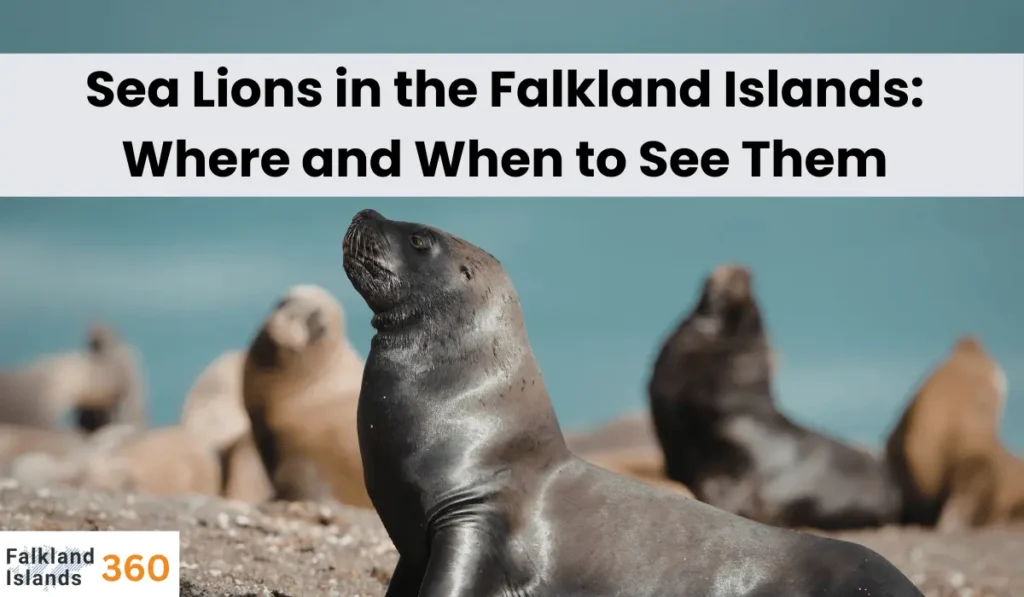


Imagine, you’re standing on a pristine beach in the Falkland Islands.
Suddenly, a 4,000-pound male elephant seal rears up. His massive trunk-like nose inflates. He bellows a sound that shakes your chest.
Welcome to one of nature’s most incredible shows.
Elephant seals in the Falklands offer wildlife encounters you’ll never forget. These gentle giants (well, mostly gentle) gather by the hundreds on remote beaches. And the best part? You can watch them up close.
I’m going to show you exactly where to find them. When to visit. And how to stay safe while witnessing these magnificent creatures.
Let’s dive in.
Why Elephant Seals Choose the Falkland Islands
Elephant seals in the Falklands aren’t here by accident.
These islands sit in the perfect spot. Cold Antarctic currents meet warmer waters. This creates a buffet of squid, fish, and other seafood. Exactly what elephant seals need.
The beaches are another draw. Sandy shores with gentle slopes make ideal breeding grounds. No cliffs to climb. No predators to worry about (except the occasional orca).
Plus, the Falklands remain largely undisturbed. Few humans. Lots of space. It’s seal paradise.
Quick Facts About Falkland Islands Elephant Seals:
| Feature | Details |
|---|---|
| Species | Southern Elephant Seal |
| Peak Population | 2,000-3,000 seals |
| Male Weight | Up to 4,000 kg (8,800 lbs) |
| Female Weight | 400-900 kg (880-2,000 lbs) |
| Life Span | 20-22 years |
| Dive Depth | Up to 2,000 meters |
Source: Falklands Conservation & British Antarctic Survey
Southern elephant seals are the largest seals on Earth. Males can reach 6 meters long. That’s roughly the size of a pickup truck.
Females are much smaller. But don’t let that fool you. They’re still impressive animals.
Elephant Seal Breeding Season: The Complete Timeline
Understanding the breeding cycle helps you plan the perfect trip.
Elephant seals in the Falklands follow a predictable pattern. Here’s what happens throughout the year.
September – October: The Males Arrive
Bull elephant seals haul out first.
They claim beach territories. The biggest, strongest males get the best spots. Near the water. Away from rocks.
This is when the fights happen. Two massive bulls rear up. They crash into each other. Blood sometimes flows.
Sounds brutal? It is. But it’s also fascinating to watch (from a safe distance).
The winners establish dominance. Losers retreat to less desirable areas.
October – November: Females Come Ashore
Pregnant females arrive in October.
Within days, they give birth. Each mother has one pup. The newborns weigh about 40 kg. They have black fur that looks almost velvet.
Now the beaches get crowded. Harems form around dominant males. One bull might have 30-50 females in his territory.
The males don’t eat during this time. They’re too busy guarding their harems. Some lose up to 40% of their body weight.
November – December: Pup Season
This is peak viewing time for elephant seals in the Falklands.
Beaches overflow with activity. Pups nurse constantly. They gain 4-5 kg per day. Mother’s milk is incredibly rich – over 50% fat.
The pups are adorable. Big dark eyes. Chubby bodies. They make squeaky calls that sound almost human.
Warning: Don’t get too close. Mothers are protective. And those “cute” pups have sharp teeth.
December – January: Mating and Weaning
Mothers wean pups after about 23 days.
Then they mate again. The dominant males have been waiting for this moment. Breeding happens on the beach.
After mating, females head back to sea. They need to eat. Remember, they haven’t fed in nearly a month.
The weaned pups stick around. They practice swimming in shallow water. They’re still learning. Many play-fight with each other.
February – March: Molting Season
Adult elephant seals return for their annual molt.
This is when they shed old skin and fur. It looks… well, it’s not pretty. Patches of skin peel off. They look like they’re falling apart.
During molting, elephant seals in the Falklands are grumpy. They stay on beaches for weeks. No feeding. Just lying there looking miserable.
Still worth seeing, though. You’ll rarely find this many elephant seals together.
April – August: Out to Sea
Most elephant seals leave the Falklands.
They spend winter feeding in deep ocean waters. Some travel thousands of kilometers north. Others dive to incredible depths chasing squid.
A few stragglers remain. But this isn’t prime viewing season.
Best Places to See Elephant Seals in the Falklands
Not all beaches are created equal.
Some spots guarantee elephant seal sightings. Others… not so much. Here are your best bets.
Sea Lion Island: The Champion
Sea Lion Island is THE place for elephant seals in the Falklands.
Over 2,000 seals haul out here during breeding season. The entire island measures just 9 square kilometers. But it packs an incredible punch for wildlife.
Why Sea Lion Island wins:
- Highest concentration of elephant seals
- Easy viewing from the lodge
- Multiple beaches to explore
- Professional guides included
- Orcas sometimes hunt here (dramatic!)
The Sea Lion Island Lodge sits right on the beach. You can literally watch elephant seals from your window. Morning coffee with a view of breeding bulls? Yes, please.
Day trips from Stanley are possible. But I strongly recommend staying overnight. Dawn and dusk offer the best light. Plus, elephant seals are most active then.
Getting there: Small plane from Stanley (35 minutes). Book through Falkland Islands Government Air Service (FIGAS).
Volunteer Point: King Penguins and Seals
Volunteer Point is famous for king penguins. But elephant seals also visit these beaches.
The numbers aren’t as high as Sea Lion Island. Maybe 50-100 seals during peak season. But the setting is spectacular.
Long white sand beach. Turquoise water. Penguins waddling past seals. It’s like a nature documentary come to life.
Bonus: You get two wildlife experiences in one trip.
Access requires permission. The beach sits on private land (Johnson’s Harbour Farm). Most visitors book guided tours from Stanley.
The drive takes 2-3 hours each way. Rough 4×4 tracks. Not for the faint of heart. But absolutely worth it.
Bertha’s Beach: The Hidden Gem
Bertha’s Beach offers a more intimate experience.
Smaller groups of elephant seals. Usually 20-40 individuals. But you often get the beach to yourself.
This nature reserve near Stanley provides easy access. Just 40 minutes by 4×4 from town. Perfect for a half-day trip.
The beach sits in a protected cove. Calm waters. Golden sand. Gentoo penguins nest nearby.
Pro tip: Visit in early morning. Elephant seals are more active. Fewer tourists too.
Bleaker Island: Off the Beaten Path
Bleaker Island attracts adventurous travelers.
This remote island hosts elephant seals on its southern beaches. The population varies. Sometimes dozens. Sometimes just a few.
But here’s the thing: You’ll probably be alone with them. No crowds. No tour groups. Just you and the seals.
Bleaker Island Lodge offers simple accommodation. Book well in advance. Access is by FIGAS flight only.
Stanley Area Beaches: Surprise Sightings
Occasionally, elephant seals turn up near Stanley.
Gypsy Cove and Yorke Bay sometimes host bachelor males. These are younger bulls who haven’t established territories yet.
They rest on beaches. Molt. Then disappear.
Don’t plan your trip around Stanley sightings. But if you’re there anyway? Check the beaches. You might get lucky.
How to Watch Elephant Seals Safely
Elephant seals in the Falklands seem docile. They lie around like giant slugs.
Don’t be fooled.
These animals are wild. Unpredictable. And stronger than you can imagine.
Essential Safety Rules
Rule #1: Keep Your Distance
Stay at least 5-6 meters away. That’s about 15-20 feet.
Elephant seals can move surprisingly fast. They might seem lazy. But they can lunge, bite, or crush you.
Males defending territory are especially dangerous. Females protecting pups will attack.
Rule #2: Never Get Between Seal and Water
Always give seals a clear path to the ocean.
If threatened, they flee to water. If you’re blocking their escape route? They’ll go through you.
Literally.
Rule #3: Watch for Warning Signs
Elephant seals communicate when they’re annoyed:
- Raised head and inflated nose (males)
- Loud vocalizations
- Jerky movements toward you
- Opening mouth to show teeth
See any of these? Back away slowly.
Rule #4: No Touching
I know. They look like giant squishy pillows.
But touching elephant seals is illegal. It stresses them. It’s also dangerous for you.
Their bites cause serious infections. Seal mouths carry nasty bacteria.
Rule #5: Respect the Pups
Baby elephant seals are ridiculously cute. Those big eyes. That squeaky voice.
But mom is watching. She WILL defend her pup. Mother elephant seals have bitten tourists who got too close.
What to Do If Charged
Stay calm. Don’t run.
Back away slowly while facing the seal. Make yourself look bigger. Speak in a low, firm voice.
Most charges are bluffs. The seal stops before reaching you.
If actually attacked? Protect your face and head. Get to higher ground if possible.
(This is rare. Following the distance rule prevents 99% of incidents.)
Photography Tips for Elephant Seals
Getting great shots requires skill and patience.
Best Camera Settings
For action shots (fights, movements):
- Shutter speed: 1/1000 or faster
- Aperture: f/5.6 to f/8
- ISO: Auto (adjust for light)
For portraits:
- Aperture: f/4 to f/5.6 (blur background)
- Focus on the eyes
- Use continuous autofocus
For behavior documentation:
- Burst mode activated
- Keep both eyes open
- Anticipate movements
Composition Ideas
Show the environment: Include beach, waves, or other seals. This gives context.
Capture emotion: Elephant seals are expressive. Yawning. Fighting. Nursing pups. These moments tell stories.
Use low angles: Get down to seal level. This creates more intimate portraits.
Shoot during golden hour: Sunrise and sunset light is magical. The low angle highlights textures and colors.
Equipment Recommendations
Lenses:
- 70-200mm for general shooting
- 100-400mm for distant subjects
- Wide angle (16-35mm) for environmental shots
Protection:
- Weather-sealed camera body
- Rain cover essential
- Lens cloth (salty spray!)
- Extra batteries (cold drains them)
Accessories:
- Monopod or tripod
- Remote shutter release
- Large memory cards
Ethical Photography
Great photos never come at the expense of animal welfare.
- Use long lenses instead of approaching closely
- Never chase seals for better angles
- Don’t disturb breeding or nursing
- If seals react to you, you’re too close
- Delete photos rather than stress animals
Remember: The wildlife experience matters more than the perfect shot.
What Elephant Seals Eat (And Why It Matters)
Elephant seals in the Falklands are incredible divers.
They plunge up to 2,000 meters deep. That’s over a mile underwater. They can hold their breath for two hours.
Why? They’re hunting.
Main diet includes:
- Squid (primary food source)
- Deep-sea fish
- Rays
- Small sharks
- Octopus
The Falklands’ location provides perfect hunting grounds. The Patagonian Shelf drops into deep ocean trenches. These depths host massive squid populations.
Elephant seals locate prey using echolocation. They have whiskers sensitive to water movement. In pitch-black depths, these whiskers detect squid vibrations.
During breeding season, males don’t eat at all. They survive on blubber reserves. Some lose 300+ kg.
Females fast during nursing. Their milk is incredibly energy-dense. This allows rapid pup growth while mom slowly starves.
After weaning or breeding, elephant seals gorge. They need to rebuild fat reserves. An adult can eat 50+ kg of food per day.
Conservation Status and Threats
Good news: Southern elephant seals are doing well.
The species is listed as “Least Concern” by IUCN. Global population exceeds 650,000 individuals.
But threats still exist:
Climate Change
Warming oceans affect prey distribution. If squid populations shift, elephant seals must adapt. Some rookeries have seen declines linked to food availability.
Plastic Pollution
Seals accidentally ingest plastic. It blocks digestive systems. Young seals are especially vulnerable.
Fishing Interactions
Elephant seals sometimes get caught in fishing gear. This is relatively rare in Falklands waters. But it happens.
Human Disturbance
This is where you come in.
Responsible tourism helps conservation. Your visit fees support protection efforts. Local guides provide employment.
But irresponsible tourism harms seals. Approaching too close stresses breeding animals. Females may abandon pups. Males waste energy defending territories from perceived human threats.
Follow guidelines. Every time.
What Falklands Conservation Does
Falklands Conservation monitors elephant seal populations. They conduct annual surveys. Track breeding success. Document threats.
Education programs teach locals and tourists about seal protection. Research helps inform management decisions.
Want to help? Visit responsibly. Support conservation-focused tour operators. Consider donating to Falklands Conservation.
Planning Your Elephant Seal Trip
Ready to see these giants yourself?
Best Time to Visit
Peak season: November through January
This is when you’ll see the most action. Breeding. Pups. Fighting males. Everything.
Budget option: October or February
Still good viewing. Fewer tourists. Lower accommodation prices.
Avoid: June through August
Most seals are at sea. Cold weather. Limited services.
How Long to Stay
Minimum: 2-3 days in the Falklands
- Day 1: Arrive, explore Stanley
- Day 2: Sea Lion Island or Volunteer Point
- Day 3: Return travel
Ideal: 5-7 days
- Time for multiple locations
- Weather backup days
- More relaxed pace
- Additional wildlife opportunities
Budget Expectations
Visiting elephant seals in the Falklands isn’t cheap. Here’s realistic pricing:
Flights:
- UK to Falklands: £1,800-£2,500
- Chile to Falklands: $600-$900
Accommodation:
- Stanley hotels: £80-£150/night
- Sea Lion Island Lodge: £200-£300/night (includes meals and tours)
- Budget guesthouses: £50-£80/night
Tours:
- Volunteer Point day trip: £150-£200
- Sea Lion Island day trip: £300-£400
- FIGAS flights: £100-£200 per leg
Total trip cost: £2,500-£4,000+ for one week
Booking Tips
Book early. I can’t stress this enough.
Sea Lion Island Lodge has limited rooms. They fill up months in advance for peak season.
FIGAS flights operate on a first-come basis. Schedule changes happen frequently. Build flexibility into your plans.
Travel insurance is essential. Weather delays are common. You need coverage that includes:
- Trip interruption
- Medical evacuation
- Adventure activities
Work with specialists. Tour operators who know the Falklands save you headaches. They handle:
- FIGAS bookings
- Accommodation coordination
- Ground transport
- Permits and permissions
What Else You’ll See
Elephant seals rarely travel alone (figuratively speaking).
The same beaches host incredible diversity:
Sea lions: Smaller, noisier cousins. They bark constantly. Often fight with elephant seals over space.
Penguins: Five species in the Falklands. Gentoos and Magellanics often share elephant seal beaches.
Orcas: Sea Lion Island is famous for orca sightings. They hunt seal pups in shallow water. It’s dramatic. And yes, a bit disturbing.
Birds: Caracaras, skuas, gulls, and more scavenge around seal colonies. Turkey vultures circle overhead.
Dolphins: Commerson’s dolphins and Peale’s dolphins frequent coastal waters.
One trip. Multiple wildlife encounters. That’s the Falklands magic.
Final Thoughts: Why You Should Visit
Elephant seals in the Falklands offer something rare.
A chance to witness nature unfiltered. These massive creatures living their lives. Fighting. Breeding. Raising pups. Surviving.
It’s raw. Real. Sometimes brutal. Always beautiful.
I’ve watched elephant seals in California, Argentina, and Antarctica. But the Falklands remain special. The accessibility. The numbers. The pristine beaches.
You don’t need to be a wildlife expert. You don’t need expensive gear. You just need curiosity and respect.
The seals do the rest.
So here’s my challenge: Stop reading about elephant seals. Start planning your trip.
Book that flight. Reserve your lodge room. Pack your camera.
Because there’s a beach in the Falklands with your name on it. And about 2,000 elephant seals waiting to blow your mind.
They’re not going anywhere. The question is: Are you?
Before You Go:
- Check current breeding season dates with Falklands Conservation
- Book Sea Lion Island Lodge 6+ months ahead
- Join online Falklands travel groups for latest tips
- Review wildlife viewing guidelines
- Get travel insurance that covers remote destinations
Common Questions About Elephant Seals
Can you swim with elephant seals in the Falklands?
No. Swimming with elephant seals is not allowed and extremely dangerous. These are wild animals that can move quickly and bite. Additionally, elephant seals are protected under Falklands wildlife laws. Maintain at least 5-6 meters distance at all times, even on beaches.
When is the best month to see elephant seal pups?
November and December are the best months to see elephant seal pups in the Falklands. Pups are born in October, so by November they’re active, nursing, and starting to explore. December offers peak viewing with hundreds of pups on beaches like Sea Lion Island.
How long do elephant seals stay on Falklands beaches?
Elephant seals stay on beaches for different periods depending on purpose. Breeding females haul out for 3-4 weeks. Males remain for 2-3 months during breeding season. Molting adults stay 3-4 weeks without entering water. After these periods, they return to sea to feed.
Are elephant seals dangerous to humans?
Yes, elephant seals can be dangerous despite their docile appearance. Males defending territory can charge. Females protecting pups will attack. Their bites cause serious infections. However, attacks are extremely rare when visitors follow safety guidelines and maintain proper distance.
What’s the difference between elephant seals and sea lions?
Elephant seals are much larger (males up to 4,000 kg vs 350 kg for sea lions). Elephant seals have distinctive trunk-like noses. Sea lions have external ear flaps and can “walk” on flippers. Elephant seals drag themselves on land. Sea lions are more vocal and agile.
Do elephant seals return to the same beach each year?
Yes, elephant seals in the Falklands show strong site fidelity. They return to the same breeding beaches year after year. Females often return to the beach where they were born. This loyalty to specific locations makes population monitoring easier.
Can I see elephant seals near Stanley?
Occasionally, yes. Young bachelor males sometimes appear on beaches near Stanley like Gypsy Cove or Yorke Bay, especially during molting season (February-March). However, sightings are unpredictable. For guaranteed viewing, visit Sea Lion Island or Volunteer Point instead.
Why do male elephant seals have big noses?
The enlarged nose (proboscis) serves multiple purposes. It amplifies vocalizations during breeding season, making their calls louder and more intimidating. It also helps regulate temperature and may play a role in reabsorbing moisture from exhaled air during long fasting periods.