
The Falkland Islands are a birdwatcher’s paradise. Over 200 bird species call these remote South Atlantic islands home. From the iconic penguins to the majestic black-browed albatross, the Falkland Islands birds offer unforgettable wildlife experiences.
But here’s the exciting part: 63 species breed here regularly. Many of these Falkland Islands birds exist nowhere else on Earth. The islands host the world’s largest population of Gentoo penguins and 70% of the global black-browed albatross population.
Whether you’re a serious birder or a casual nature lover, this guide reveals everything about Falkland Islands birds. You’ll discover where to see them, when to visit, and how to identify each species.
Why the Falkland Islands are a Birding Hotspot
The Falkland Islands sit in the South Atlantic Ocean, roughly 300 miles east of Argentina. This isolated location creates perfect conditions for seabirds and penguins.
Cold ocean currents bring nutrient-rich waters. These waters support massive fish populations. And where there’s fish, there’s birds. Lots of birds.
The islands cover about 12,000 square kilometers across 700+ islands. Most are uninhabited. This means undisturbed breeding grounds for Falkland Islands birds.
Key Statistics:
| Bird Category | Number of Species |
|---|---|
| Total Recorded Species | 200+ |
| Regular Breeding Species | 63 |
| Penguin Species | 5 |
| Endemic Species | 2 |
| Globally Threatened Species | 14 |
Source: Falklands Conservation, 2024
The two endemic Falkland Islands birds are the Cobb’s Wren and the Falkland Steamer Duck. You can’t see these birds anywhere else in the world.
Endemic Bird Species: Falkland Islands’ Unique Treasures
Cobb’s Wren: The Tiny Endemic
Cobb’s Wren is a small, brown bird that lives in tussac grass. It weighs just 15 grams. This makes it one of the smallest Falkland Islands birds.
You’ll find Cobb’s Wren on rat-free islands. The best viewing spots include:
- Carcass Island
- West Point Island
- Sea Lion Island
- New Island
These curious little birds hop around tussac clumps. They’re incredibly tame and often approach visitors within a few feet.
Cobb’s Wren feeds on insects and small invertebrates. Watch for them foraging among seaweed on beaches. Their chirping calls echo through coastal areas.
Falkland Steamer Duck: The Flightless Wonder
The Falkland Steamer Duck can’t fly. It’s the only flightless duck in South America outside Tierra del Fuego.
These robust ducks “steam” across water surfaces. They use their wings like paddlewheels. Hence the name “steamer duck.”
You’ll spot these Falkland Islands birds along rocky coastlines and kelp beds. They’re aggressive and territorial. Males often fight over feeding areas.
Where to See Steamer Ducks:
- Stanley Harbour
- Gypsy Cove
- Yorke Bay
- Most coastal areas around East and West Falkland
Steamer ducks have orange bills and grey plumage. Females are smaller and darker than males.
Penguin Species: The Stars of Falkland Islands Birds
The Falkland Islands host five penguin species. These charismatic birds draw thousands of visitors each year.
1. Gentoo Penguin
Population: 120,000+ breeding pairs (largest in the world)
Gentoo penguins have bright orange beaks and white patches above their eyes. They’re the most common Falkland Islands birds among penguins.
You’ll find Gentoo colonies near:
- Volunteer Point
- Gypsy Cove
- Yorke Bay
- Bertha’s Beach
- Sea Lion Island
Gentoos breed from October through March. Chicks hatch in December and January. Watch them waddle in lines between beach and nest sites.
2. King Penguin
Population: 1,500+ breeding pairs
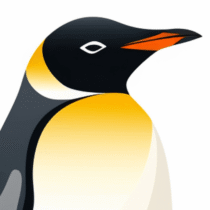
King penguins are the second-largest penguin species. They stand nearly 90cm tall. Their golden-orange neck patches shimmer in sunlight.
Best Viewing Location: Volunteer Point hosts the only major King penguin colony in the Falklands.
King penguins have a unique breeding cycle. It takes 14-16 months to raise a chick. This means you can see adults, eggs, and chicks year-round.
3. Magellanic Penguin
Population: Several thousand breeding pairs
These penguins nest in burrows. They dig tunnels up to 2 meters deep in soft soil or under tussac grass.
Magellanic penguins make loud braying calls. They sound like donkeys. Local Falkland Islands birds watchers call them “jackass penguins.”
Prime viewing spots:
- Gypsy Cove (easy access from Stanley)
- Volunteer Point
- Bertha’s Beach
They arrive in September and leave by April.
4. Southern Rockhopper Penguin
Population: 320,000 breeding pairs
Rockhopper penguins are the smallest Falkland Islands birds in the penguin family. They have distinctive yellow eyebrow crests.
These energetic birds hop up steep cliffs to reach nesting sites. Watch them bounce from rock to rock. It’s quite a show.
Best colonies:
- West Point Island
- Bleaker Island
- New Island
- Steeple Jason Island
Rockhoppers arrive in October. Breeding season runs through February.
5. Macaroni Penguin
Population: Very small (exact numbers unknown)
Macaroni penguins are rare Falkland Islands birds. Only a few pairs nest here. They’re often found mixed with Rockhopper colonies.
Look for their larger, more flamboyant yellow crests. These crests extend further back than Rockhoppers.
Saunders Island occasionally hosts Macaroni penguins.
Black-Browed Albatross: Majestic Seabirds
The Falkland Islands host 70% of the world’s black-browed albatross population. That’s over 500,000 breeding pairs.
These magnificent birds have 2.5-meter wingspans. They soar effortlessly over ocean waves. Black-browed albatross can live 70+ years.
Top Viewing Locations:
- West Point Island – Accessible cliff-top colony
- Steeple Jason Island – Massive colony (150,000+ pairs)
- New Island – Combined with rockhopper penguins
- Saunders Island – Multiple viewing areas
Black-browed albatross nest on cliff ledges. They return to the same nest site year after year. Breeding season runs September through April.
These Falkland Islands birds pair for life. Watch their elaborate courtship dances in October and November.
Other Albatross Species
Grey-Headed Albatross – Small breeding population on outer islands
Southern Giant Petrel – Often called “stinker” locally, these massive birds scavenge around colonies
Both species are impressive Falkland Islands birds worth seeking out.
Best Birdwatching Locations in the Falklands
Locations Near Stanley
Gypsy Cove (6.5 km from Stanley)
- Magellanic penguins
- Gentoo penguins
- Steamer ducks
- Kelp geese
- Rock cormorants
Yorke Bay (4 miles from Stanley)
- Gentoo penguin colony
- Wading birds at Yorke Bay Pond
- Two-banded plovers
Cape Pembroke (Walking distance from Stanley)
- Coastal seabirds
- Peregrine falcons
- Various shorebirds
Outer Island Hotspots
Carcass Island
- Cobb’s Wren (endemic)
- Magellanic penguins
- Gentoo penguins
- Tussac birds
- Rat-free environment supports diverse birdlife
Saunders Island
- All five penguin species
- Black-browed albatross colony
- King cormorant colonies
- Rare Macaroni penguins
Sea Lion Island
- Gentoo penguins (2,800+ pairs)
- Rockhopper penguins (480+ pairs)
- Striated caracara
- Various waders and waterfowl
West Point Island
- Black-browed albatross (spectacular cliff colony)
- Rockhopper penguins
- Imperial cormorants
Bleaker Island
- Rockhopper penguins
- Gentoo penguins
- King cormorants
- Remote, pristine habitat
Bird Migration Patterns and Seasonal Guide
Understanding when Falkland Islands birds are present helps plan your trip.
Spring (September – November)
Birds return from winter feeding grounds. This is when Falkland Islands birds are most active.
What’s Happening:
- Penguins arrive and establish territories
- Albatross begin courtship displays
- Nesting starts for most species
- Migratory shorebirds pass through
Best Birds to See: All penguin species, albatross, caracaras
Summer (December – February)
Peak breeding season for most Falkland Islands birds.
What’s Happening:
- Penguin chicks hatch
- Fluffy chicks everywhere
- Parent birds busy feeding young
- Long daylight hours (16+ hours)
Best Birds to See: Penguin chicks, albatross chicks, sea bird colonies at peak
This is the absolute best time for Falkland Islands birds photography.
Autumn (March – April)
Fledging season. Young birds learn to fly and swim.
What’s Happening:
- Penguin chicks fledge
- Migratory birds depart
- Whale watching peaks
- Elephant seals breeding
Best Birds to See: Mixed-age penguin groups, departing migrants
Winter (May – August)
Quieter season. Many Falkland Islands birds head out to sea.
What’s Happening:
- Gentoo penguins remain (only penguin species)
- Hardy seabirds stay
- Reduced tourist facilities
- Southern lights possible
Best Birds to See: Resident species, winter seabirds
Photography Tips for Falkland Islands Birds
Getting great bird photos requires planning and patience.
Equipment Recommendations
Camera: DSLR or mirrorless with fast autofocus Lenses: 100-400mm or 150-600mm for distant birds Weather Protection: Rain covers essential Tripod: Helpful but not always necessary Memory Cards: Bring plenty of storage
Best Photography Techniques
1. Get Low: Shoot at eye level with birds for intimate portraits
2. Use Natural Light: Golden hour (sunrise/sunset) creates magical images
3. Focus on Eyes: Sharp eyes make or break bird photos
4. Show Behavior: Capture interactions, feeding, courtship displays
5. Include Environment: Wide shots show habitat and scale
Ethical Photography Rules
Respect these guidelines when photographing Falkland Islands birds:
- Stay at least 5-6 meters from all wildlife
- Never chase or disturb nesting birds
- Don’t use flash on nesting birds
- Stay on marked paths
- If birds change behavior, back away
- Never touch or feed birds
Rare and Threatened Falkland Islands Birds
The Falklands host 14 globally threatened bird species. Conservation efforts protect these vulnerable populations.
Striated Caracara (Johnny Rook)
Population: Estimated 500-1,000 pairs
These intelligent raptors are incredibly curious. They’ll investigate anything new. Striated caracaras have been known to untie shoelaces and steal gear.
They’re endemic to the Falklands and southern South America. The population is listed as Near Threatened.
Best viewing: Sea Lion Island, New Island, remote outer islands
Ruddy-Headed Goose
Once common, now listed as Vulnerable. Habitat loss in South America reduced populations.
The Falklands provide important breeding habitat. About 1,000 pairs nest here.
Falkland Skua
These aggressive seabirds patrol penguin colonies. They steal eggs and chicks when opportunities arise.
Skuas are common Falkland Islands birds but population trends are uncertain.
Conservation Efforts Protecting Bird Species
Falklands Conservation leads protection efforts for Falkland Islands birds. Key programs include:
Invasive Species Removal
Rats threaten ground-nesting birds. Conservation teams have removed rats from multiple islands.
Rat-free islands support:
- Cobb’s Wren
- Tussac birds
- Ground-nesting petrels
- Other vulnerable species
Important Bird Areas (IBAs)
The Falklands have designated IBAs protecting critical habitats. These sites preserve breeding grounds for threatened Falkland Islands birds.
Population Monitoring
Annual surveys track breeding success. Scientists monitor:
- Penguin colony sizes
- Albatross breeding rates
- Seabird population trends
- Migration patterns
Community Education
Local programs teach sustainable tourism practices. This ensures future generations can enjoy Falkland Islands birds.
Practical Information for Bird Watchers
How to Get There
By Air:
- LATAM weekly flights from Santiago, Chile via Punta Arenas
- RAF flights twice weekly from UK (Brize Norton via Ascension Island)
By Sea:
- Cruise ships (November – March season)
- Private yacht (experienced sailors only)
When to Visit
Best Overall: November through February Budget Option: October or March (shoulder season) Avoid: June through August (winter, limited services)
Tour Operators
Several companies offer specialized birding tours:
- Falklands Conservation tours
- International Tours & Travel (local operator)
- Various cruise expedition programs
What to Bring
Essential gear for viewing Falkland Islands birds:
- Binoculars (8×42 or 10×42)
- Field guide (Birds of the Falkland Islands recommended)
- Waterproof jacket and pants
- Warm layers (fleece, down jacket)
- Sturdy waterproof boots
- Sun protection (hat, sunscreen, sunglasses)
- Camera equipment
- Notebook for bird list
Accommodation Options
Stanley: Hotels and guesthouses (base for day trips) Island Lodges: Sea Lion Island Lodge, Carcass Island, Port Howard Farm Stays: Experience camp life with birding opportunities
Book accommodation well in advance for summer months.
Bird Identification Tips
Learning to identify Falkland Islands birds enhances your experience.
Key Field Marks
Size: Compare to familiar birds (sparrow, pigeon, gull) Shape: Body proportions, bill shape, tail length Color: Plumage patterns, distinctive markings Behavior: Flight pattern, feeding style, habitat Voice: Calls and songs (very useful for Falkland Islands birds)
Common Confusion Species
Steamer Ducks: Two species look similar
- Falkland Steamer Duck (flightless, grey)
- Flying Steamer Duck (can fly, browner)
Geese: Multiple species present
- Upland Goose (most common)
- Kelp Goose (black and white)
- Ruddy-headed Goose (smaller, chestnut head)
Caracaras:
- Striated Caracara (Johnny Rook – larger, heavily streaked)
- Crested Caracara (rare vagrant)
Recommended Field Guides
- “Birds of the Falkland Islands” by Robin Woods
- “Wildlife of the Falkland Islands and South Georgia” by Tony Chater
- Mobile Apps: eBird, Merlin Bird ID (limited Falklands content)
Conclusion: Your Falkland Islands Birding Adventure Awaits
The Falkland Islands offer world-class birdwatching opportunities. From endemic Cobb’s Wrens to majestic albatross, these remote islands deliver unforgettable experiences.
More than 200 bird species call these islands home. Five penguin species waddle along pristine beaches. The world’s largest Gentoo penguin population thrives here.
Planning your birding trip is straightforward. Visit between November and February for peak viewing. Book accommodation early. Pack warm, waterproof clothing.
Most importantly, respect the wildlife. These Falkland Islands birds have survived in one of Earth’s wildest places. Your responsible viewing ensures they’ll continue thriving for future generations.
Ready to experience Falkland Islands birds for yourself? Start planning your adventure today. The birds are waiting.
Falkland Islands Birds
What is the best time to see birds in the Falkland Islands?
The best time to see Falkland Islands birds is November through February (southern hemisphere summer). During these months, all penguin species are breeding, albatross colonies are active, and chicks are visible. December and January offer peak viewing with maximum bird activity and long daylight hours.
How many bird species are in the Falkland Islands?
Over 200 bird species have been recorded in the Falkland Islands. Of these, 63 species breed regularly in the islands. This includes 5 penguin species, numerous seabirds, and 2 endemic species found nowhere else on Earth.
Where can I see all five penguin species in the Falklands?
Saunders Island is the only location where you can see all five penguin species (Gentoo, King, Magellanic, Rockhopper, and Macaroni) in one place. However, Volunteer Point offers the best viewing experience with large colonies of King, Gentoo, and Magellanic penguins on a stunning white sand beach.
Are there any endemic birds in the Falkland Islands?
Yes, the Falkland Islands have two endemic bird species: Cobb’s Wren and the Falkland Steamer Duck. These birds exist nowhere else in the world. You can see both species on several rat-free islands including Carcass Island and Sea Lion Island.
Can I see albatross in the Falkland Islands?
Absolutely! The Falkland Islands host 70% of the world’s black-browed albatross population (over 500,000 breeding pairs). The best locations to see these magnificent birds are West Point Island, Steeple Jason Island, and New Island. Breeding season runs from September through April.
Do I need special permits to photograph Falkland Islands birds?
No special permits are required to photograph Falkland Islands birds for personal use. However, you must follow wildlife protection guidelines: maintain at least 5-6 meters distance from all birds, stay on marked paths, and never disturb nesting birds. Some private islands require permission to visit.
What is the rarest bird in the Falkland Islands?
The Macaroni Penguin is one of the rarest breeding birds in the Falklands, with only a handful of pairs nesting among Rockhopper colonies. The Striated Caracara (Johnny Rook) is also rare with only 500-1,000 pairs remaining and is listed as Near Threatened globally.
Are Falkland Islands birds afraid of humans?
Most Falkland Islands birds show little fear of humans due to limited predators and protection laws. Penguins, in particular, are remarkably tame and may approach within a few meters. However, this tameness makes responsible wildlife viewing even more important to avoid disturbing them.